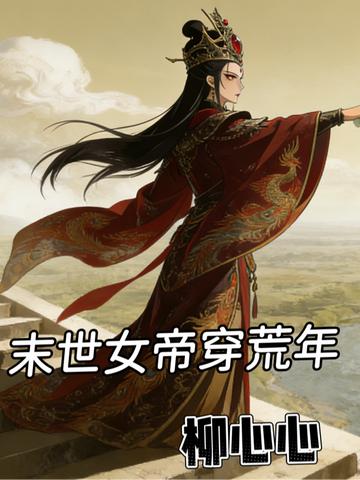
From mountains of corpses and seas of blood in the apocalypse to famine-stricken years strewn with the dead, Qin Chuchu has lived two lifetimes. Rebuilding a world from the brink of ruin is what she does best.
As the ruler of the largest base in the apocalypse, she had witnessed the deepest darkness and kindled the last sparks of civilization. Then, in a single twist of fate, she transmigrated into the body of a refugee on an ancient-world journey, someone who could collapse at any moment.
A drought-cracked land, a world where people ate their own children, a decaying and paralyzed court, and foreign enemies poised to invade: this era needed a true ruler even more than the apocalypse had.
No water? She led people to dig ninety meters underground and build rows of water-filtration pools.
No food? She introduced drought-resistant crops and composting, tripling the yield per acre of barren fields.
Nowhere to live? She fired bricks and tiles and packed earth into walls, building the “Peach Blossom Valley” everyone dreamed of in a world torn by chaos.
When starving refugees became farmers tending their land, when frail women formed weaving workshops, when children learned to write their first characters in literacy classes, Qin Chuchu knew she wanted more than mere survival.
Then the Xiongnu cavalry swept south, and the court planned to offer noblewomen in exchange for a brief reprieve.
Standing atop the newly built city wall, she looked at the peaceful home she had built with her own hands, and at the people who could finally stand tall.
“What this era needs isn’t an old dynasty clinging to life.”
She drew the short blade she had carried with her from the apocalypse. Its edge reflected a rare harvest of golden wheat.
If she lost, she would die. She was already used to dancing with death.
If she won, women too could command the world and reshape the land.
(Not a matriarchal society. The female lead builds and rules through her own abilities. No harem, with a focus on her career.)