When violence swallowed their last refuge, Eko crossed the front lines with his 14-year-old sister, fleeing to the Kakuma refugee camp in a neighboring country, a makeshift city sheltering 180,000 war refugees, where people stayed for an average of seventeen years. There, Eko discovered that his former teacher training was useless, while Aya's phenomenal gift for mathematics seemed like a luxury in the struggle to survive.
But the front line wasn't only on the battlefield.
Starting with blood pressure checks at an understaffed camp clinic, Eko gradually became a key medical worker capable of performing field surgery. Aya turned data into a weapon, analyzing disease patterns, optimizing resource allocation, and recording refugees' oral histories. In the digital world, she rebuilt the memories and dignity that war had destroyed.
They gradually discovered that the refugee camp was not only a shelter, but also a miniature political battleground: behind international organizations' goodwill lay hidden agendas, medical data had become a new bargaining chip for power, and the resource-plundering networks of West Sidamo had extended their reach here. The twelve diamonds Eko held in safekeeping, a dying warlord's gift, represented more than wealth. They were also tied to his homeland's unresolved past and to a young woman in Europe searching for the truth about her father.
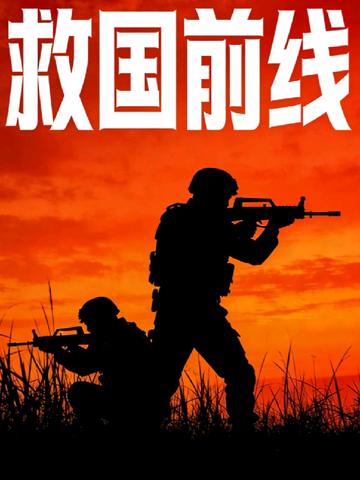
From the ruins of San Juan to the camp's tent operating rooms in Kakuma, from the struggle to survive to the provision of medical care, from personal redemption to building systems, Frontlines of Salvation is about more than war and escape. It is about how to rebuild after devastation, with scalpels, data, stories, and the dignity and human connection that people refuse to abandon, even in the darkest times.