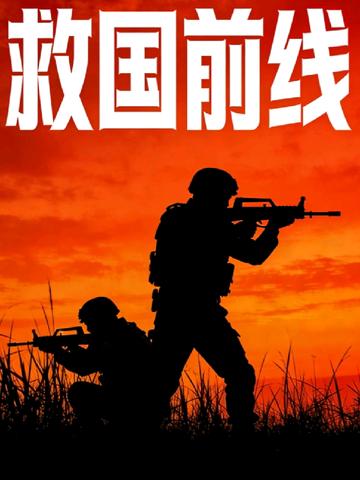
When violence engulfed their last refuge, Eco took his 14-year-old sister across the war lines and fled to the Kakuma refugee camp in neighboring countries - a temporary city that hosted 180,000 war refugees and stayed for an average of seventeen years. Here, Eco found that his previous teacher education was useless, and Aya's photographic talent for mathematics seemed luxurious in the face of survival.
But the front lines don't end on the battlefield.
Eco started by measuring blood pressure at a medical station in a refugee camp where resources were scarce, and gradually grew into a medical backbone capable of performing field surgeries. Aya uses data as a weapon to analyze disease patterns, optimize resource allocation, record the oral histories of refugees, and reconstruct the memory and dignity destroyed by war in the digital world.
They gradually discovered that the refugee camp was not only a refuge, but also a miniature political battlefield: the agenda was hidden behind the goodwill of international organizations, medical data became a new bargaining chip for power, and the mineral plundering network of Western Saddamoa extended its tentacles here. The twelve diamonds kept by Eco - a gift from a warlord on his deathbed - not only represent wealth, but also connect the unsolved stories of his homeland and a European girl's pursuit of the truth about her father.
From the ruins of San Juan to the tent operating room in Kakuma, from the struggle for survival to medical services, from individual salvation to system construction, "Frontline" tells not only war and escape, but also how to rebuild after being broken - using scalpels, data, stories, and the dignity and connection that human beings still do not give up in the darkest moments.