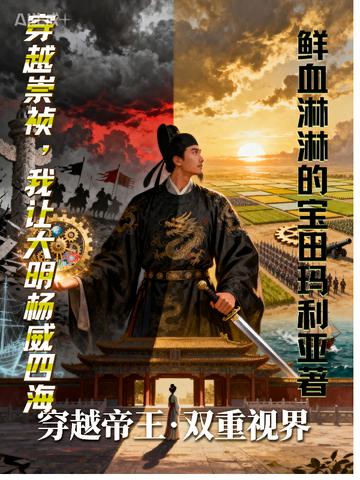
In the third year of Chongzhen, Zhu Youjian, a modern engineering man, accidentally traveled through time and became the emperor of the Ming Dynasty. He faced a dynasty riddled with internal and external troubles. The treasury was empty, peasant uprisings occurred one after another, the Hou Jin Dynasty was eyeing the country, and the Lin Party and the Eunuch Party in North Korea were fighting endlessly. With the help of modern knowledge, Zhu Youjian began a series of drastic reforms: implementing a new tax system to replenish the national treasury, training the new army to strengthen military power, dividing the peasant uprising army, and suppressing the Donglin Party's formation of cliques for private gain. In terms of foreign affairs, he conquered Mongolia, destroyed slaves, and expelled Western colonists. However, every step of reform faces obstruction and conspiracy from conservative forces. He must find a balance between the modern concept of equality and the ancient hierarchy. On this difficult road to save the empire, he and Queen Zhou gradually developed a sincere relationship from a political marriage, and faced internal and external troubles together. In the end, Zhu Youjian brought the Ming Dynasty, which was on the verge of collapse, back to prosperity and created a new prosperous age.