Her name is Shangguan Qingzhi. She was once the jewel of the family and later became a disciple of Jianzhong.
She had seven classmates who were not relatives but were more like relatives. They called her "Second Senior Sister". They had agreed to work together to eradicate all injustices in the world.
Then, one by one, they died in front of her.
The senior brother fell into a deep cliff to save his junior sister, and his body was not found. The fourth junior brother destroyed his sword and opened a path of blood for her. When he died, he only said "go quickly". The youngest seventh junior sister transferred the last of her true energy to her and pushed her with a smile:
"Senior sister, don't look back, move forward."
She really didn't look back. She carried everyone's corpses on her back and fought her way out of the siege, becoming the only survivor of "Inkstone Seven Lights".
She didn't know until the end that the person who planned all this and took everything away from her was actually her biological brother who she had been searching for for eight years and thought she was dead long ago.
"Sister." The blood-stained boy regained his clarity when the demonic energy dissipated, and stretched out his hand to her, just like he did when he was a child.
She hugged him and put the sword into his heart.
Many years later, she kneeled in front of the seven new monuments with a pot of wine brewed in the old year.
"Senior brother, junior sister... Ayuan."
"It's a long journey, so I'm here to keep the appointment."
The blade of the sword passed by, and the snow fell silently.
This world finally buried all her swords and all her love.
Reader comments
· The multiple metaphors of "sword": it is both a weapon and a shackle; it is a promise of protection and a tombstone for burial. In the end, Qing Zhi buried the sword and killed himself, completing the ultimate closed loop of "sword" as a symbol.
· The narrative function of "snow": the snowy night in the prologue (destruction), the snowy night in volume three (living alone), and the snowy night in the final chapter (dying for love), snow is sublimated from a natural scene to the background of destiny.
· The transformation symbol of "butterfly": from the blood butterfly (pollution) of Hongli to the final snow butterfly (purification), the transformation of the image carries the possibility of redemption of the character's destiny.
"This novel is dedicated to all those who have wielded a sword to protect others and did so even when they knew they couldn't do it."
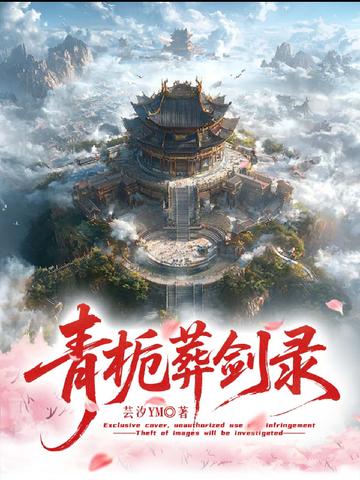
· The multiple metaphors of "sword": it is both a weapon and a shackle; it is a promise of protection and a tombstone for burial. In the end, Qing Zhi buried the sword and killed himself, completing the ultimate closed loop of "sword" as a symbol. · The narrative function of "snow": the snowy night in the prologue (destruction), the snowy night in volume three (living alone), and the snowy night in the final chapter (dying for love), snow is sublimated from a natural scene to the background of destiny. · The transformation symbol of "butterfly": from the blood butterfly (pollution) of Hongli to the final snow butterfly (purification), the transformation of the image carries the possibility of redemption of the character's destiny. "This novel is dedicated to all those who have wielded a sword to protect others and did so even when they knew they couldn't do it."