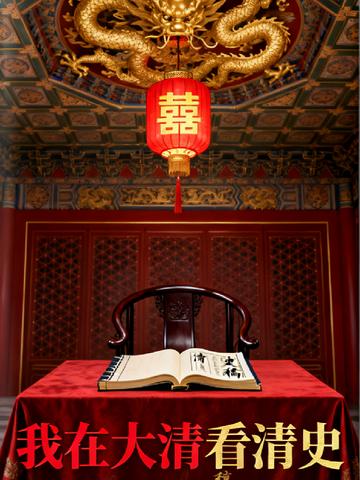
This is a Qing history book that breaks away from the stereotypes of "imperial genealogy" and "academic textual research". Following the popular writing style, it uses the empathetic perspective of "standing in the present and looking back at the past" to connect the three hundred years of the rise of the Later Jin Dynasty, the establishment of the Qing Dynasty, the peak of the prosperous age, the collapse of the dynasty, and the fall of the Puppet Manchukuo. The book does not shy away from controversy, nor is it just empty talk. It not only talks about Nurhachi's entrepreneurship with thirteen armors, but also analyzes Kangxi's political considerations when he pacified the San Francisco. From the cry of the Eight Banners to the industrial struggles of the Westernization faction, from the haze of literary inquisition to the passion of the reformers, history is no longer a cold year and articles, but a story of "people" with choices, struggles, wisdom and absurdity. Here are the anxiety of the emperors in governing the country, the advance and retreat game of powerful ministers, and the survival of ordinary people under the torrent of the times. We not only see the rise and fall of the Qing Dynasty, but also understand the human nature and laws behind the rise and fall. In an easy-to-read narrative, we can touch a historical context that is closely connected with the destiny of modern China.