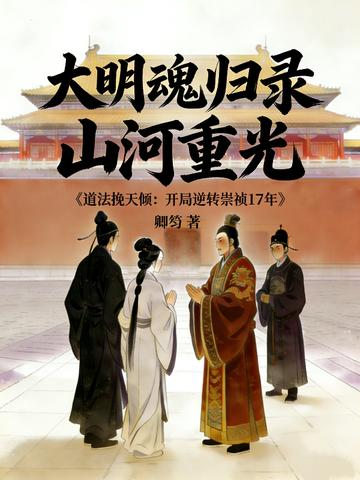
Also known as: Saving the Empire with Daoist Arts: Reversing the Fate of Chongzhen from the Start
The twenty-fifth day of the fourth month of the seventeenth year of Chongzhen. The fall of Beijing is imminent.
Beneath an old locust tree on Coal Hill, a white silk noose hangs down. The Great Ming Emperor Zhu Youjian has already stepped onto a stool, his eyes utterly lifeless.
At the critical moment, a yellow talisman streaks through the air and severs the noose. Yun Qingzi, a Daoist priest of Mount Longhu, and his junior sister Lin Suyue use a “Soul-Locking Talisman” to keep the emperor’s departing soul from scattering. But his body is on the verge of death, and nothing can save him.
Desperate to turn the tide, Yun Qingzi takes a dangerous gamble and activates Mount Longhu’s forbidden “Soul Journey Through the Great Void Formation,” sending Chongzhen’s soul through a rift in time and space to seek the way to govern a nation from the ancestors of the Ming dynasty.
In the realm of the Great Void, Zhu Yuanzhang pounds the table and scolds him, Zhu Di coolly dissects the situation, and Zhu Zhanji offers earnest counsel. The souls of the former emperors gather and impart everything they know about nearly three hundred years of successes and failures in governance. Weeping in the void, Chongzhen finally repents and realizes that stubbornness, suspicion, and impatience to achieve quick results are the roots of a dynasty’s downfall.
Meanwhile, in Beijing, Lin Suyue protects the emperor’s body while evading the rebel army’s searches. Yun Qingzi fights a deadly battle of magic against the evil practitioners who have joined the new regime, keeping the formation from collapsing. Seven days pass in the soul realm, and the world above is already turned upside down.
His soul returns to his body, and the ruler is reborn. Chongzhen is no longer the stubborn emperor who lost his kingdom, while Yun Qingzi faces the greatest choice of his cultivation: follow Heaven’s will and let dynasties rise and fall, or defy fate and save the people from calamity?
Yet Daoist arts can alter the outcome of a moment, but cannot change the hearts of people across the ages. The true restoration of a nation does not lie in the rise and fall of a single family or dynasty, but in the awakening of all the people under Heaven.
“Daoist, is saving the Great Ming an act of defying Heaven?”
“I am not saving one dynasty or another. I am saving all the people under Heaven. The Dao lies in Heaven’s heart, and in the hearts of the people.”



This book is about recent thoughts and feelings. I often wonder if Chongzhen had not died (but I admired his solar terms in Meishan, so I decided to start writing from this point, so I tried every means to resurrect Chongzhen, and Taoism came into being to help the world.) The Ming Dynasty could be revived, would China be able to avoid the century-old humiliation in modern times? This is my first attempt at a complete creation. I know there are many shortcomings, but I still hope that others will improve. The original intention of writing the book actually stems from the various feelings about the revolution between the Ming and Qing Dynasties, and also because of admiration for Chongzhen's integrity [the king dies in the country, and the emperor guards the country]. Finally, I hope that you readers will read the article rationally, and I am willing to discuss this hypothetical historical possibility with you in the comment area.