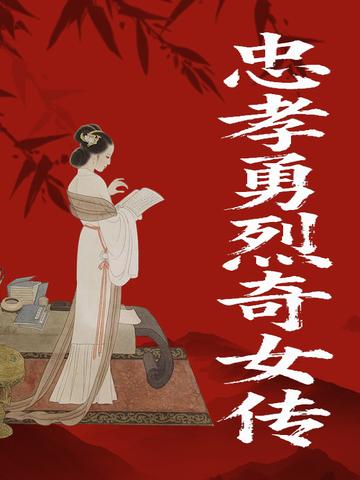
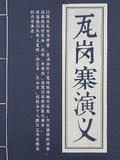
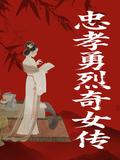
The Tale of the Loyal, Filial, Brave, and Heroic Woman is a chaptered novel centered on Hua Mulan, the legendary heroine of ancient China.
Building on the traditional tale of Mulan joining the army in her father's place, the novel expands and reimagines the story, blending historical romance, tales of gods and demons, and moral instruction to portray an extraordinary woman embodying loyalty, filial piety, courage, and steadfast virtue.
The novel begins with Mulan's family origins, recounting the virtue and family traditions of her grandfather, Zhu Ruoxu, and laying the ethical foundations for Mulan's birth and upbringing. The main story follows the classic tale of Mulan disguising herself as a man, taking her father's place in the army, fighting on the battlefield, and earning distinction on the frontier. It vividly portrays her mastery of archery and horsemanship, her command of military strategy, and her many heroic achievements across the desert.
The story continues after Mulan's triumphant return, when she is framed by slanderous ministers. To prove her innocence, she cuts out her own heart as a testament to her integrity. After her death, she is enshrined as the “Great Deity of Loyalty and Filial Piety of the Thunder Department.” This tragic ending elevates her image as an extraordinary woman to the spiritual heights of perfect loyalty and filial piety, and steadfast martyrdom.
The novel focuses not only on Mulan but also weaves in the historical setting and cast of the late Sui and early Tang dynasties, including Li Jing, Yuchi Gong, Wei Zheng, and Emperor Taizong of Tang. Against a sweeping historical backdrop, it depicts bonds between rulers and ministers, court rivalries, and the chivalry of the martial world.
The book also incorporates supernatural elements such as prophetic dreams, revelations from celestial beings, Daoist arts and military strategy, and the cycle of karma and rebirth. These give the story a fantastical quality and evoke the workings of fate beyond its historical narrative.
Through its portrayal of Mulan as a woman of extraordinary character, actions, deeds, and literary renown, the novel profoundly explores Confucian ethics and the study of life and human nature. It praises the ideals of loyalty to the sovereign and country, filial piety, courage, righteousness, and fidelity. A Qing-dynasty classic, it brings together heroic legend, historical romance, and imaginative tales of gods and demons.