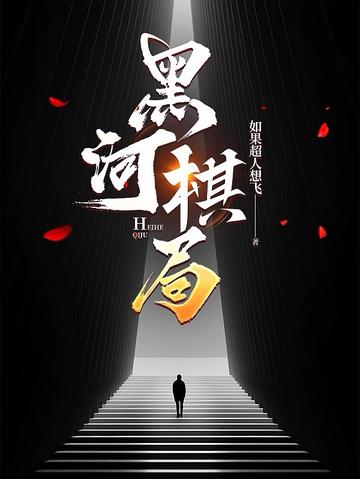
In Jiangfeng City, Dongchuan Province, neon lights reflect the turbid water of the Heihe River. An explosion tore up the night sky, and the construction site known as the "Environmental Model Project" was reduced to a sea of flames. Dozens of people lost contact, and the entire network was in an uproar.
During the trial, which was broadcast live online, prosecutor Lin Zhao looked directly at the defendant in the dock - Fa Xiaojiangyu, the person in charge of the Heihe project. The two once relied on each other in the shanty town and vowed to break out of the poor alleys, but now they are at odds with good and evil.
Ten years ago, Jiang Yu raised money for his father's surgery and accepted Meng Hu's money, stepping into a gray area. After ten years of cleansing his name, he became an "environmental entrepreneur" sought after by politicians and businessmen, until the explosion revealed a fig leaf: funding gaps, doubtful approvals, and undercurrents from all sides - some wanted to find a scapegoat to silence him, others wanted to investigate thoroughly, and more people were wise to protect themselves.
There is no absolute right or wrong here: some people indulge in hidden dangers in the name of "development", some people abide by the law but become pawns, and some people climb out of the mire and push others into the abyss. Lin Zhao was rubbing an old photo. On the back was the oath he made when he was a boy: "Don't do anything wrong."
The gavel fell, and the Heihe River "returned to clarity" in the news. Lin Zhao stood by the river, clutching the last piece of evidence - a piece of paper that concealed a deeper truth. The evening wind was wrapped in moisture, and he understood: some redemption requires the truth to sink to the bottom, while some persistence requires only walking forward in the dark with a heavy burden.