New works are released. Welcome to Tomato Novel to read my works. I hope you all like them. Your attention is the motivation for my writing. I will try my best to tell every story!
Reader comments
Breastfeeding on the Edge of a Knife: The novel that covers the postpartum abyss is my medical record
Opening this novel is like opening a scar that has not yet healed. Every description of breastfeeding depression is as precise as a scalpel - the burning pain of breast enlargement, the loneliness of being put to sleep alone late at night, and the sudden inexplicable panic when looking at the baby. The author used words to build an airtight delivery room, and I was a prisoner in it.
The old-fashioned nature of the mother-in-law is transformed into the ubiquitous traditional shackles in the book. "We were all like this back then" and "Being a mother is not easy." These words are like blunt knives, slowly cutting into the self-confidence of a first-time mother. The husband's inaction, that kind of "transparent fatherhood" where he is physically present but emotionally absent, is more suffocating than the direct harm. The most painful thing in the novel was the morning when the heroine stood on the balcony with her baby in her arms - not wanting to commit suicide, but just longing for a breath of freedom that did not belong to the identity of "mother".
This is not a novel, it is a mirror. When the spotlight of society is only focused on the joy of new life, postpartum depression becomes a dark tunnel that women must walk through alone. The sentence in the book, "I became a mother, but lost myself" tells the cruelest truth: Our culture celebrates childbirth, but often forgets those who give birth.
Thankfully, someone is writing about it. Every page is like ringing the doorbell for countless silent mothers: "I hear you, I see you, you are not alone." Perhaps, only when such stories are constantly told, can those mothers who cry silently in the middle of the night find the words that lead to the light.
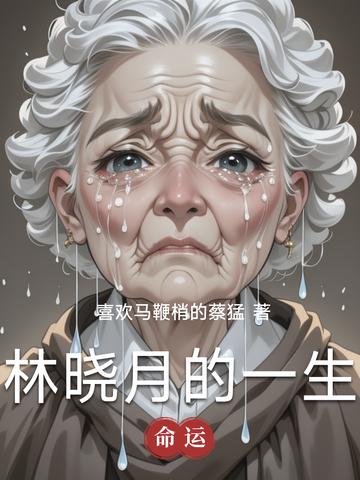
Breastfeeding on the Edge of a Knife: The novel that covers the postpartum abyss is my medical record Opening this novel is like opening a scar that has not yet healed. Every description of breastfeeding depression is as precise as a scalpel - the burning pain of breast enlargement, the loneliness of being put to sleep alone late at night, and the sudden inexplicable panic when looking at the baby. The author used words to build an airtight delivery room, and I was a prisoner in it. The old-fashioned nature of the mother-in-law is transformed into the ubiquitous traditional shackles in the book. "We were all like this back then" and "Being a mother is not easy." These words are like blunt knives, slowly cutting into the self-confidence of a first-time mother. The husband's inaction, that kind of "transparent fatherhood" where he is physically present but emotionally absent, is more suffocating than the direct harm. The most painful thing in the novel was the morning when the heroine stood on the balcony with her baby in her arms - not wanting to commit suicide, but just longing for a breath of freedom that did not belong to the identity of "mother". This is not a novel, it is a mirror. When the spotlight of society is only focused on the joy of new life, postpartum depression becomes a dark tunnel that women must walk through alone. The sentence in the book, "I became a mother, but lost myself" tells the cruelest truth: Our culture celebrates childbirth, but often forgets those who give birth. Thankfully, someone is writing about it. Every page is like ringing the doorbell for countless silent mothers: "I hear you, I see you, you are not alone." Perhaps, only when such stories are constantly told, can those mothers who cry silently in the middle of the night find the words that lead to the light.