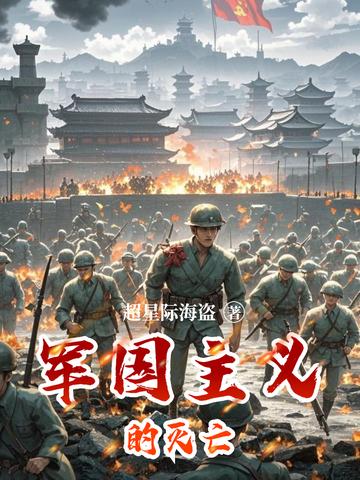
"Songhu Beacon Fire: 1937"
In August 1937, 22-year-old Qin Chuan accidentally traveled through time and space and became an ordinary soldier in the 88th Division of the National Revolutionary Army. At this time, the smoke of the July 7th Incident was still lingering, and the clouds of war enveloped Shanghai. Wearing a German-style steel helmet and holding a Mauser rifle, he witnessed the roar of the nation in the Lushan speech and witnessed the tragic determination of the entire nation to unite to resist aggression.
When the war broke out, Qinchuan followed the elite German armorers to the streets of Shanghai at night, and headed for the front line of Hongkou amid the welcome of the citizens. There was a bloody battle at the Bazi Bridge and the storming of the Marine Corps headquarters. Every inch of advancement was soaked in blood. Japanese naval guns roared, fighter planes raged, and bustling cities were reduced to scorched earth. When his comrades fell in droves in booby traps and bunkers, when tanks ignited flames in the streets, and when the main reinforcements of the Japanese army landed on the flanks, Qin Chuan had to use modern knowledge to survive in purgatory.
This work restores the entire Battle of Songhu in shocking strokes - from Chiang Kai-shek's strategic decision of "preemptive strike" to Zhang Zhizhong's deployment of troops on the front line; from Song Xilian's rush to aid at starry night to the flesh-and-blood grinding mill at Huishan Wharf; from the tragic eagle in the sky facing the enemy, to the hand-to-hand street fighting where every inch of ground is contested. Through Qin Chuan's eyes, witness the intertwining of bravery and cowardice, wisdom and ignorance, hope and despair in the flames of war. This is not only an epic of survival for individual travelers, but also an unyielding legend written with the lives of 300,000 soldiers, revealing the Great Wall of Steel built by the Chinese nation with their flesh and blood due to the generational differences in equipment.