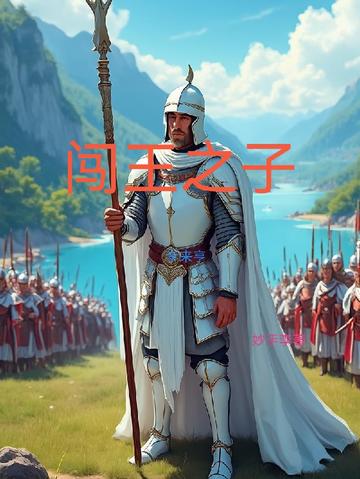
In the seventeenth year of the Chongzhen reign, on a snowy night at Shanhai Pass, Li Zicheng is defeated and disappears. His nine-year-old orphan, Li Laiheng, is taken into the Kuizhou region by his personal guard, Liu Zongmin, known as “Iron Kite.” Ten years later, the boy has grown into a blade among the mountains. Carrying on the rebel army's legacy of “equal land and tax exemption,” he unites the Thirteen Families of Kuizhou, turning the gorges into a game board and the rainstorms into bugle calls. With “rapid-fire matchlocks” and “mountain flying spears,” he holds off 100,000 Eight Banners troops for eight years. Southern Ming commanders He Tengjiao and Du Yinxi, the Tang Clan of the martial world, Western missionaries, his father's former comrade Li Guo, known as “One-Eyed Tiger,” and his nephew Li Dingguo all become pieces in his grand game. But before the outside threat is quelled, internal strife erupts: the Yongli Emperor's suspicions, the guilt of regicide, the shadow of his mother Hongniangzi's martyrdom, and his ill-fated entanglement with Wuyunzhu, a Jurchen spy chief, all intertwine. At the end, when Wushan City falls, Li Laiheng sets fire to the underground powder magazine and perishes with the enemy. Thunder and fire light up the gorge and river, leaving behind one final vow: “I give my life to the nation, but never the realm.”
The work is entirely fictional and makes no allusions to real people or events. It upholds devotion to family and country while criticizing feudal autocracy. It contains no graphic or vulgar content, extreme religious material, or ethnic discrimination. Spanning four parts and sixteen volumes, it weaves together a broad cast of characters and brings cold weapons into collision with early firearms, creating a tragic epic whose echoes linger.