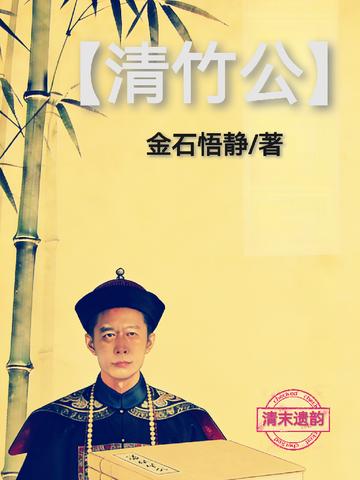
Gao Yongling, courtesy name Heqing, was born into a wealthy family in Xiluba, Xing'an Prefecture, southern Shaanxi Province in the early years of Tongzhi in the Qing Dynasty. He has been immersed in literature since childhood, has read poetry and books, and is rich in economics. Not only is his writing outstanding, but he is also full of talent when he uses pen and ink. His calligraphy is also concise and powerful, with clear muscles and bones. He has become famous among literati at a young age. In the twelfth year of Guangxu's reign, he paid off his many years of hard study and gained a moment of glory. He took the imperial examination in high school and entered the official career. He was first appointed as the magistrate of Wanping County in Shuntian Prefecture. Later, due to his outstanding political achievements, he was promoted to important positions such as minister of punishment, inspector of salt affairs in Jiangnan, and governor of Taiyuan, Shanxi.
Even though he has a successful career, Gao Heqing always adheres to his original intention and lives his life as pure as bamboo, untainted by glitz. He traveled to the countryside all year round, listened humbly to the sufferings of the people, and kept the people's livelihood in mind. Every time he takes office in a local area, he must carefully observe the public sentiment, whether it is to reduce excessive taxes or rectify water conservancy problems, to be impartial and selfless in the face of the powerful, and to use actions to build a bridge for the people. Even though he has a high status, he is still as gentle as spring in his treatment of others. He is as humble as ever to his subordinates and neighbors, and is naturally gentle and gentle like a ray of breeze. In the fifteenth year of Guangxu's reign, he was awarded the "Qingzhu Gong" plaque by Emperor Guangxu for his meritorious service in rectifying corruption and subduing bullies.
However, the imperial court was gradually decaying, which made him disappointed. In the first year of Xuantong in the Qing Dynasty, he hung up his crown and left, faded out of the hustle and bustle of officialdom, and returned to his hometown. From then on, he quietly influenced the young people in the countryside with his knowledge and character, and ran the "Qingzhu Gong" school at his own expense to nourish the literati. He died calmly in his later years, and his person and deeds will be remembered by his neighbors like a warm sun.