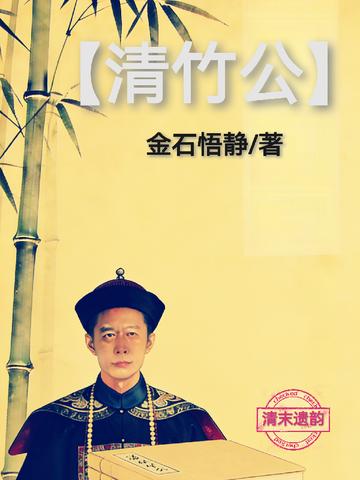
Gao Yongling, courtesy name Heqing, was born in the early years of the Tongzhi Emperor’s reign in the Qing dynasty, into a wealthy family in Badi, Xilu, Xing’an Prefecture, southern Shaanxi. He was steeped in books from childhood, well read and learned. His writing was outstanding, his brushwork full of flair, and his calligraphy powerful and finely structured. By the age of twenty, he had already made a name for himself at literary gatherings. In the twelfth year of the Guangxu Emperor’s reign, his years of diligent study finally paid off: he passed the imperial examinations and entered government service. He first served as county magistrate of Wanping County in Shuntian Prefecture, then, thanks to his distinguished record, rose to senior posts including Vice Minister of Punishments and Inspector of Jiangnan’s salt administration, and Governor of Taiyuan in Shanxi.
Despite his successful career, Gao Heqing never forgot his principles. Upright and untainted throughout his life, he remained untouched by worldly splendor. Traveling with few attendants, he spent much of his time in the countryside, humbly listening to the people’s hardships and keeping their welfare close to heart. Wherever he served, he made a point of carefully observing local conditions, whether easing excessive taxes and levies or tackling water-management problems. He treated the powerful impartially and built bridges for the people to make their concerns heard. Even in high office, he remained as gentle as spring, treating subordinates and neighbors alike with consistent humility, like a mild breeze. In the fifteenth year of the Guangxu Emperor’s reign, he was awarded the plaque “Lord of the Pure Bamboo” by imperial decree in recognition of his work fighting corruption and bringing local bullies to heel.
However, the court grew increasingly corrupt, and he became disillusioned. In the first year of the Xuantong Emperor’s reign, he resigned and withdrew from the clamor of official life, returning to his hometown. Thereafter, he quietly influenced the younger generation of his community through his knowledge and character, establishing the “Pure Bamboo Lord Academy” at his own expense and nurturing scholars and refined talents across the region. He passed away peacefully in his old age, remembered by his neighbors like a warm ray of sunshine.