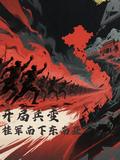
The wide asphalt roads of Naypyidaw have become a parade ground where a torrent of steel drives toward the future. The treads of main battle tanks clatter as they crush the lingering dreams of yesterday. Infantry fighting vehicles growl, forming flawless steel ranks that stretch beyond sight. Behind them march tens of thousands of soldiers in digital camouflage, their bayonets like a forest, their steps perfectly synchronized. The sound of their feet striking the ground merges into a pulse that makes the earth tremble.
The international press stands in dead silence. Only the frantic clicking of camera shutters breaks it, like a flock of startled birds. An experienced war correspondent's hands tremble as he holds up his binoculars. He murmurs, “God... This isn't a war at all. It's the wheel of history itself.”
The next day, an in-depth report titled “Myanmar's New Sun” sets the global press ablaze in thirty languages.
Its opening reads: “Yesterday, a steel meteor from the north fell into the heart of Myanmar. It did not bring destruction. With absolute, unquestionable force, it crushed the decades-long shadow of chaos, drugs, and scams that had hung over this land. While the world's attention remained fixed on scattered crackdowns on a few cyberfraud compounds, a modern army had descended from the sky and already turned a new page for this country. Old Myanmar came to an end that day, and its ‘new sun’ rose solemnly from the cold gleam of tank barrels.”