In the summer of 1988, seven-year-old Chen An was sent to his maternal grandmother's home in Fenghua.
In a village by the Shan River, he met “Taro Baby,” Jin Xiao, whose eyes shone like stars.
She loved taro cooked every which way, and he brought a schoolbag full of fairy tales from far away.
When floodwaters surrounded the village, they kept each other company with braised bamboo shoots and the Brothers Grimm;
As prices soared, a bowl of taro soup with crispy pork cracklings became the ultimate delicacy in those lean years;
During the Asian Games fever, they cheered themselves hoarse for China's women's volleyball team in front of the television...
Time rushed by like the waters of the Shan River. From the village primary school to the town middle school, then on to different high schools and universities, their lives spread out like taro roots, winding through their separate soils. Chen An followed the ladder of learning toward a wider world, while Jin Xiao drew on the resilience her rural upbringing had given her to put down roots and strive in the real world.
Twenty years passed, from 1988 to 2008. The children who had once shared a bowl of taro soup were now young adults navigating the surging currents of the city. As the storybook closed and the challenges of real life came one after another, would they still remember that summer filled with the fragrance of taro, and the most genuine strength that came from the land? This is a story of growing up, parting, and returning, about a generation carrying the imprint of childhood as they search for their own roots and horizons amid changing times.
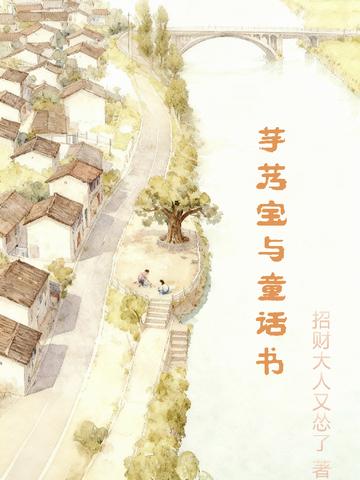
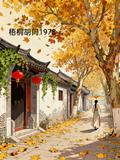
It's very beautiful. You can get a glimpse of childhood in the 1990s and 2000s from between the lines. People born after 10 years may not understand it, but it is indeed like that in that era. It was very simple to play and eat very simple, with blue bricks, old trees, small bridges and flowing water. This was actually the childhood of southern children at that time.