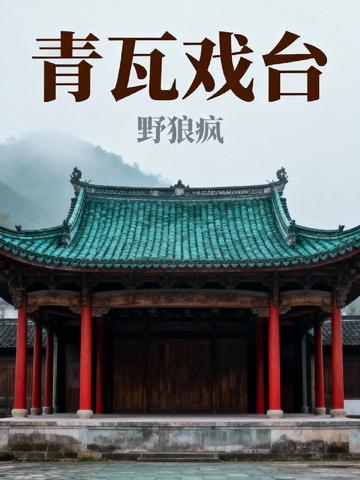
During the troubled times of the Republic of China, A Bin, a young man from the theater troupe of Qingwa Town, made a career as a martial arts student. However, because he was unwilling to sing for the Japanese army, he gave up his ambition and embarked on the road to resist Japan.
He avoided trouble with the theater troupe, and after encountering the Eighth Route Army, he used the theater troupe as a cover to spy on the enemy at night, cleverly deliver secret messages, and use his wit and courage to break through the Japanese blockades. He lured the enemy in canyons, annihilated bandits in tunnels, and made surprise attacks in gun towers. In every battle, he charged forward with his severed fingers, transforming from a stage martial artist into an anti-Japanese warrior.
From the broken stage in Qingwa Town to the smoke-filled battlefield, A Bin, his master, his junior sister, and his Eighth Route Army comrades stood side by side, conveying courage with their singing and protecting their homeland with their swords. After the victory of the Anti-Japanese War, he still guarded the Qingwa Stage and compiled anti-Japanese stories into plays, so that the fire of loyalty and peace could be passed down from generation to generation.
This is not only the growth history of a young man, but also a picture of the army and the people working together to resist Japan with the weak against the strong. Although the stage is small, it contains the backbone and hope of the Chinese people.