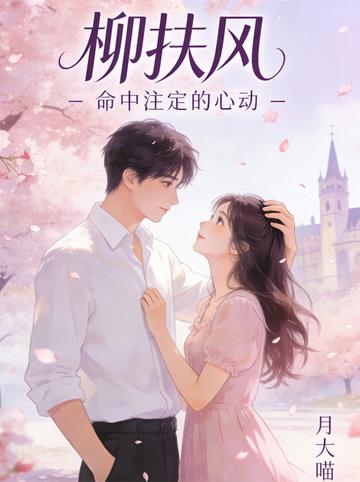
Liu Fufeng
柳扶风
- Status
- Completed
- Length
- 84k Words
- Genre
- Modern Romance
- Subgenre
- Workplace & Marriage
- Updated
- 7mo ago
- Source
- Fanqie
Synopsis
39Chapters
2Reads
41Reads · all time
More by this author

In booklists 5




Reading New Books, Especially Hidden Gems with No Hype
Come in and review each other’s work. Even if you haven’t signed a contract, you can still recommend other people’s books, then talk about your own.
1.4kBooks301.5kViews14hUpdated





New Authors Hoping to Make It Big, Follow and Review Each Other
Looking for books like "The Poison and Martial Arts System".
1.5kBooks534kViews15hUpdated


New Writers and New Books: Share Them Here
Looking for books like Sealing Demons and Eradicating Evil.
1.6kBooks195.4kViews21hUpdated




Where Are the Comments? The Readers? My Royalties? I’ve Written Over Fifty Chapters!
810Books1.1MViews14dUpdated

After Their Flash Marriage, the Overbearing CEO Falls for Her
Synopsis: To save her family, she takes her older sister's place in an arranged marriage and weds the head of the Fu family, a man rumored to be cold, disabled, and uninterested in women. Everyone expects her to live as a neglected wife and suffer at his hands. Until one day, a reporter catches President Fu bending down to tie her shoelaces himself, on a rainy day
385Books20.1kViews16dUpdated
Reader comments 4
Translated by Google Translate
It took me some time to listen to the first twenty chapters, and I look forward to the author continuing to write. This is not a cool article, but I like it very much, very much~ This is a story about "becoming yourself" rather than "finding love". Although the appearance of Qin Shen gives the story an emotional line, I always feel that the core of this story is not "love" but "self". Liu Fufeng's core dilemma has never been "no one loves her", but "she doesn't know how to love herself". She learned to be "obedient" in the Fu family and "tolerant" in marriage, but she never learned "what I want." So her growth is not about "finding someone to love her", but slowly learning to "take herself seriously": At the meeting, she spread out the papers and said, "This is my workload." In the warehouse, she was so scared that she trembled, but she still typed the last piece of data. When facing Qin Shen, she began to dare to say "yes", dare to go to his house, and dare to accept his kindness. Love is the scenery on this road, but it is not the end. Finally, the author writes quickly. Some people like this story ❤️
In this book, you can read chapters 31-33 first. After reading it, you will understand that Liu Fufeng does not have low self-esteem, nor does he feel inadequate. Worldliness is bullshit to her, but she respects other people's worldliness. She is extremely rational and extremely emotional. She said that her greatest rationality is to respect her own sensibility. Therefore, during the divorce period between her and Cheng Jing, she was soft and weak, but quick and ruthless, making people unable to leave; When she was blamed in the company, she didn't cry or make a fuss. She directly pointed out loopholes in the process, double-checked, and risked her life to blame her colleagues... When Qin Shen chased her, she wasn't being shy, she was just following the trend while considering gains and losses. This is a story about a daughter who was dependent on others in a reorganized family and got rid of her arranged life and was reborn.
The delicate psychological description, the wandering after divorce, the sudden reunion with an old friend on the high-speed train, and the dull pain unique to adults are wrapped in the opening chapter. When he is across the screen, he is the "most shallow brother" who lights up the darkness, but when he is sitting opposite, he is trapped by the awareness of "getting and losing" - the love is too deep, so he dare not get close; the pain is too real, so he dare not speak. Until the sentence "You acquitted yourself", like a beam of light, broke through all disguises. It turns out that the best salvation is never to be saved, but to be seen in a sorry state and still have someone gently tell you: You don't have to live with sin. This is not a sweet romance, but a just right antidote for those who have been hurt, which makes people's nose sore. 👍👍👍
The author's writing style is very concise, which is my favorite type. When it should be profound, it is delicate and profound, penetrating deeply. The heroine is sober and transparent, with both rational determination and emotional softness. It is heartbreaking and admirable to read. The book reveals the secret pain of adults, and the sense of redemption of "being treated with tenderness even after being seen in embarrassment" is more moving than sweet candy. This is not an ordinary romance, but an antidote for those who have been hurt.