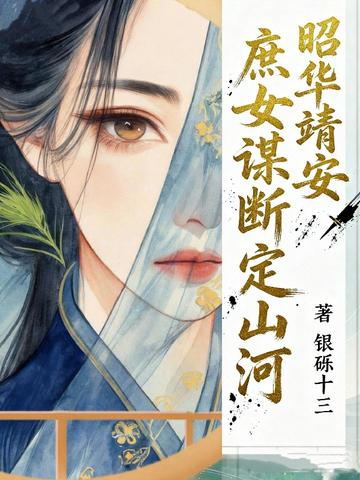
In the feudal Great Jing, where “men rule the outside and women manage the home,” Sang Wanning, an orphaned hunter’s daughter from Cloudmist Mountain, chooses to become a beacon that shatters prejudice.
She is a “concubine-born daughter,” yet she refuses to get trapped in the inner household’s struggle for favor. She hurls evidence into court and exposes the dark secrets of the Li and Song households, completely smashing the label of “easy prey.” She is a “physician,” but she does more than save lives: under the name “Azure Feather,” she treats plagues and aids the Northern Desert, winning the people’s hearts and protecting refugees with her medical skills. She is a “wife,” but no man’s appendage. She stands shoulder to shoulder with Shen Luoqing, challenging the court and defending their homeland. Even after marriage, she retains the authority of the “Lord of Zhaohua Jing’an,” enacting new policies to protect people’s livelihoods. She is an “official,” but she refuses to be bound by bureaucratic rigidity. She establishes public-benefit clinics and opens schools for girls, making “women in government” the norm rather than the exception.
She once said, “I want women everywhere to hold their own destinies in their hands, and the people to live in peace.”
In the end, she wields that vow like a blade, cutting a path to freedom through the shackles: women in Great Jing leave behind the cage of “serving their husbands and raising their children,” border residents are spared the ravages of war, the Northern Desert enjoys a bumper harvest thanks to her locust-control methods, and talented women from humble families rise to prominence through her support.
She never saw being a woman as a weakness. Through her achievements, she proved that women are not dependents: they, too, can secure people’s livelihoods, defend borders, and bring peace to the realm.
This is no tale of a heaven-sent heroine, but an awakening to women’s potential. Give women opportunity and respect, and they can use their wisdom and courage to shoulder half the burden of their country and home, standing alongside men to protect the land and preserve its peace.
This is the “power of women,” moving even after a thousand years.