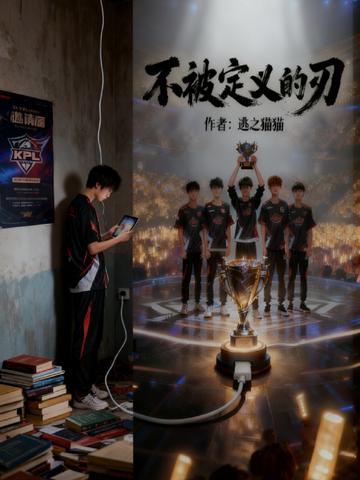
In adults’ eyes, Lu Wei is a boy “spoiled rotten by games.” But in the Rift, he’s a top player with a peak rating of 2807, a blade still sheathed and waiting to be drawn. An argument on an autumn night makes him understand the standards adults use once again: they only recognize the towering trees that go to college and find good jobs, never seeing the passion of a crooked little tree that grows off to the side. They don’t know his edge has already been tempered to ice on the screen.
The moments kindled in the Rift are like fireflies he once hid beneath his textbooks. If the microplays blooming at his fingertips are another kind of calligraphy, how can the coordination of a team fight be any less ingenious than a chess player’s strategy across the board? Prediction is a rebellion against fate, rehearsed thousands of times. Teamwork is a silent alliance of lone warriors. And when they grit their teeth and defend the crystal in a losing game, what they forge is the tenacity to face death and live on!
That’s why he wants to shatter society’s prejudice: games are no proof that you’ve wasted your time. Those precise predictions and the perseverance to turn a losing match around will become blades with which he can fight reality, cutting through every cloud of misunderstanding.
When the whole world is urging young people to become products off an assembly line, the hours dismissed as wasted are precisely the traces of a soul quietly breaking free.