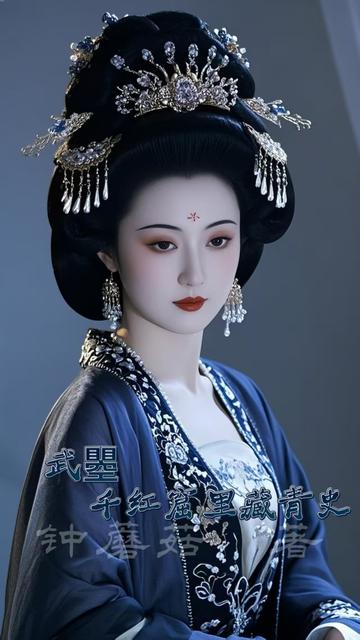
This book unfolds the female epic of the Tang Dynasty from the first perspective of Wu Zetian, connecting her life of "young and lonely, young and restrained, middle and domineering, old and lonely". It also uses the perspectives of Princess Taiping, Shangguan Wan'er, Yang, etc. To weave a picture of the fate of "a thousand red caves" - the "empress" in the official history, here is Bingzhou who pursues Sophora japonica. "A Wu" is the talented man who hides the art of war in Yeting, the mother who collapsed while holding Princess An Ding, and the old man who stroked the small wooden comb in Shangyang Palace.
From the clutching of his father's relics when he entered the palace at the age of 14, to the prayers for survival in the nunnery; from the fetal hair of his daughter in the jade pendant when the king was deposed, to the loneliness on the dragon throne after Zetianmen ascended the throne; from the guilt of meeting Li Xian in a dream, to the relief of being replaced by the "Queen" at the end of his life - The book not only contains the official history of the imperial examination and the Shenlong Revolution, but also fills in the gaps in history: she once envied the freedom of the tea-picking girls in Shu, burned notes because of "women interfering in politics", planted peonies in memory of her mother, and choked up with sobs when Princess Taiping asked her.
The small wooden comb, "Requesting the Sui Policy", and old poetry collections are always connected in series, making the "empress" a "human"; Yang's forbearance, Xu Hui's regret, and Shangguan Wan'er's struggle make the palace a stage for women to seek their glimmer of light. The blank space on the wordless stele at Qianling Mausoleum is the footnote of her life: the sadness, joy and tenderness that have not been written down by history are hidden in the years when all the reds have faded.