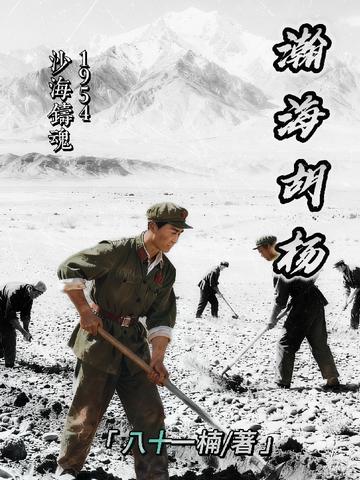
When his soul penetrated the Southern Xinjiang Corps, Lan Jianshu did not bring any superpowers, only the knowledge of water conservancy and a heart that wanted to "be present".
In the face of extreme drought, strong sandstorms, and high salinity, he did not build castles in the air:
Learn from Elken to find water and identify phenology, learn improvement tools from Lao Ma, and incorporate scientific methods into local wisdom with Li Xiuying;
On the road to guard the border, we traveled across the Gobi desert to survey the terrain, build patrol roads, build protective belts, and measure border security with our footsteps;
Improving people's livelihood starts from solving small problems such as water leakage in the ground and laborious grinding of noodles, upgrading housing, implementing water conservancy, and gradually improving life.
There is no one-step success, only trial and error, verification, and persistence in slow promotion;
There is no myth of a lone hero, only the warmth of comrades from all ethnic groups fighting side by side.
This is a three-fold practice about ecological desertification control, passionate border defense, and improvement of people's livelihood. It is the story of Lan Jianshu taking root in southern Xinjiang, doing practical things, and completing self-salvation. It is also the true history of the struggle of the Corps people to turn the Gobi into their home.
Reader comments
It is a very refreshing article, with sincere emotions, full of details, and excellent writing style. It is suitable for book lovers who can read quietly!
One chapter a day is not enough, I hope the author can add more [laughs]
It is a very refreshing article, with sincere emotions, full of details, and excellent writing style. It is suitable for book lovers who can read quietly! One chapter a day is not enough, I hope the author can add more [laughs]