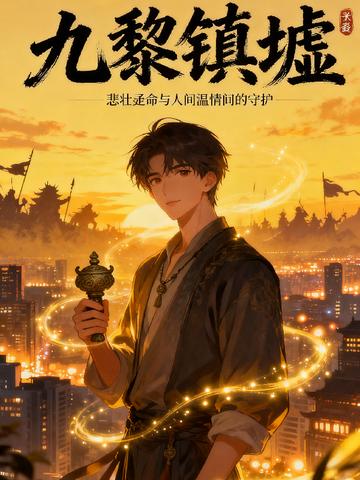
What if the legends you know are all to cover up the tragic sacrifice that lasted for 4,700 years? This is a battle that began in ancient times and ends in a decisive battle to defend the earth today. It is an epic about protection, betrayal and transcendence.
Reader comments
This novel vividly displays the Miao culture, from clothing, language to customs and habits, it is full of strong ethnic flavor. The author skillfully integrates Miao myths and legends into the storyline, making the entire narrative both mysterious and poetic. The protagonist's words and deeds reflect the traditional values of the Miao people, such as reverence for nature, respect for ancestors, and emphasis on ethnic unity. The scene descriptions in the novel are also very characteristic of the Miao people. Whether it is the details of the stilted buildings or the singing and dancing scenes during festivals, it makes people feel like they are in a Miao village. In terms of language, the author appropriately uses Miao vocabulary and proverbs, which not only adds a sense of reality but does not make readers feel obscure. The whole work is not only a wonderful story, but also a vivid picture of Miao culture.
This novel is indeed very well written, with a compact plot and full of suspense, making it difficult to put down once you start it. The author's characterization is meticulous, and each character has a distinct personality and unique motivation, making the story more three-dimensional and real. The writing is smooth and beautiful, and the scene descriptions are vivid, as if you can be immersed in the scene. The emotional conflicts and human nature discussions in the story are also very profound and make readers think. Whether it is the narrative rhythm or the foreshadowing, it shows superb writing skills. The whole work is both fascinating and entertaining without losing its literary value. It can be called a rare masterpiece.
Who said that the world only has the swords and chivalry of the Central Plains? This Miao martial arts novel directly opens up a new world full of mystery. Gu magic, witch doctors, Miao village customs and traditional chivalry are perfectly blended. It is both subversive and addictive to read. It can be called a refreshing stream of martial arts themes!
The author's construction of the Miao world is amazing. There are no cookie-cutter sectarian disputes. Instead, there are stilted buildings built against the mountains, mist-shrouded Shiwanda Mountains, and moss-covered stone roads in ancient villages. The description of Miao secret skills in the book is even more delicate and novel. It can not only save people from desperate situations by using poison, but also punish evil and promote good with witchcraft. Poison and medicine achieve a wonderful balance at this moment. What's even more amazing is that everything in Miao's natural world is spiritual. Spirit snakes that can guide the way, birds that can convey messages, and ancient trees that hide secrets. These elements make the entire world no longer limited to the competition between people, but add a bit of a mysterious artistic conception of the symbiosis of heaven and earth.
The character creation completely breaks out of the traditional martial arts framework. The protagonist is not a disciple of a famous family with a blood feud, but an ordinary young man who grew up in a Miao village. He possesses the secret skills of witch doctors passed down from his ancestors, but in his bones he has the same passion and responsibility as the knights of the Central Plains. He did not understand the etiquette and rules of the Central Plains, but he adhered to the Miao people's bottom line of "keeping grudges clear and protecting the clan and the territory." The supporting characters are even more vivid and three-dimensional, including the Miao grandmother who is proficient in voodoo but has a soft heart, the corpse exorcist who is both good and evil, and the Central Plains heroine who yearns for the freedom of the Miao border. Each character carries a unique mark of the Miao border. Their love and hatred are intertwined in the mountains, which is more intense and pure than the traditional grievances in the world.
The most rare thing is that the novel does not describe the Miao border as a symbol of curiosity, but deeply explores the chivalrous core of the Miao border culture. The hero here is not the happy grudges of the Huashan sword debate, but the mutual help between neighbors in the Miao village, the common hatred of the whole clan when facing foreign enemies, and the protagonist's responsibility to cross clan boundaries and protect the peace of one party. The process from misunderstanding to reconciliation between Miao and Han in the book vividly portrays the theme of "chivalry regardless of region, and there is good and evil in people's hearts".
After closing the book, I seem to still be able to smell the scent of herbs and flowers in the Miao village, and hear the sound of the reed pipe coming from the depths of the ancient village. This Miao martial arts book not only allows us to see another possibility of Jianghu, but also makes the passion and tenderness of Miao culture deeply imprinted in our hearts.
This novel is indeed wonderful. The author skillfully integrates the unique customs of the Miao people in western Hunan into the story, making readers feel like they are in that mysterious and beautiful land. The Miao silver ornaments, batiks, stilted buildings, as well as the legends and songs that have been passed down for thousands of years are all vividly presented between the lines. The dialogues and descriptions of customs of the characters are delicate and true, which not only shows the profound heritage of Miao culture, but also promotes the development of the plot. Especially the portrayal of Miao girls not only retains the gentleness and tenacity of traditional women, but also gives them the independence and wisdom of modern women, making the characters vivid and three-dimensional. The whole novel not only has strong regional characteristics, but also has universal emotional resonance. It is endlessly memorable to read.
The novel lies in its delicate emotional description and exquisite and unique structural arrangement. The author often reflects the grandeur of the times through the ups and downs of ordinary characters' fortunes, allowing readers to feel the weight and tension of life between the lines. Each plot is laid out like a carefully woven spider web, seemingly random but hiding mysteries, the characters are full and three-dimensional, and the dialogues are concise but meaningful.
Very nice! Finished reading it in one sitting! Smooth writing, highly recommended
A very interesting traditional cultural story with exciting plot and vivid characters. It is worth watching.
The writing is very good, and the mystery of Miao culture is written very tastefully.
This novel vividly displays the Miao culture, from clothing, language to customs and habits, it is full of strong ethnic flavor. The author skillfully integrates Miao myths and legends into the storyline, making the entire narrative both mysterious and poetic. The protagonist's words and deeds reflect the traditional values of the Miao people, such as reverence for nature, respect for ancestors, and emphasis on ethnic unity. The scene descriptions in the novel are also very characteristic of the Miao people. Whether it is the details of the stilted buildings or the singing and dancing scenes during festivals, it makes people feel like they are in a Miao village. In terms of language, the author appropriately uses Miao vocabulary and proverbs, which not only adds a sense of reality but does not make readers feel obscure. The whole work is not only a wonderful story, but also a vivid picture of Miao culture.
This novel is indeed very well written, with a compact plot and full of suspense, making it difficult to put down once you start it. The author's characterization is meticulous, and each character has a distinct personality and unique motivation, making the story more three-dimensional and real. The writing is smooth and beautiful, and the scene descriptions are vivid, as if you can be immersed in the scene. The emotional conflicts and human nature discussions in the story are also very profound and make readers think. Whether it is the narrative rhythm or the foreshadowing, it shows superb writing skills. The whole work is both fascinating and entertaining without losing its literary value. It can be called a rare masterpiece.
Who said that the world only has the swords and chivalry of the Central Plains? This Miao martial arts novel directly opens up a new world full of mystery. Gu magic, witch doctors, Miao village customs and traditional chivalry are perfectly blended. It is both subversive and addictive to read. It can be called a refreshing stream of martial arts themes! The author's construction of the Miao world is amazing. There are no cookie-cutter sectarian disputes. Instead, there are stilted buildings built against the mountains, mist-shrouded Shiwanda Mountains, and moss-covered stone roads in ancient villages. The description of Miao secret skills in the book is even more delicate and novel. It can not only save people from desperate situations by using poison, but also punish evil and promote good with witchcraft. Poison and medicine achieve a wonderful balance at this moment. What's even more amazing is that everything in Miao's natural world is spiritual. Spirit snakes that can guide the way, birds that can convey messages, and ancient trees that hide secrets. These elements make the entire world no longer limited to the competition between people, but add a bit of a mysterious artistic conception of the symbiosis of heaven and earth. The character creation completely breaks out of the traditional martial arts framework. The protagonist is not a disciple of a famous family with a blood feud, but an ordinary young man who grew up in a Miao village. He possesses the secret skills of witch doctors passed down from his ancestors, but in his bones he has the same passion and responsibility as the knights of the Central Plains. He did not understand the etiquette and rules of the Central Plains, but he adhered to the Miao people's bottom line of "keeping grudges clear and protecting the clan and the territory." The supporting characters are even more vivid and three-dimensional, including the Miao grandmother who is proficient in voodoo but has a soft heart, the corpse exorcist who is both good and evil, and the Central Plains heroine who yearns for the freedom of the Miao border. Each character carries a unique mark of the Miao border. Their love and hatred are intertwined in the mountains, which is more intense and pure than the traditional grievances in the world. The most rare thing is that the novel does not describe the Miao border as a symbol of curiosity, but deeply explores the chivalrous core of the Miao border culture. The hero here is not the happy grudges of the Huashan sword debate, but the mutual help between neighbors in the Miao village, the common hatred of the whole clan when facing foreign enemies, and the protagonist's responsibility to cross clan boundaries and protect the peace of one party. The process from misunderstanding to reconciliation between Miao and Han in the book vividly portrays the theme of "chivalry regardless of region, and there is good and evil in people's hearts". After closing the book, I seem to still be able to smell the scent of herbs and flowers in the Miao village, and hear the sound of the reed pipe coming from the depths of the ancient village. This Miao martial arts book not only allows us to see another possibility of Jianghu, but also makes the passion and tenderness of Miao culture deeply imprinted in our hearts.
This novel is indeed wonderful. The author skillfully integrates the unique customs of the Miao people in western Hunan into the story, making readers feel like they are in that mysterious and beautiful land. The Miao silver ornaments, batiks, stilted buildings, as well as the legends and songs that have been passed down for thousands of years are all vividly presented between the lines. The dialogues and descriptions of customs of the characters are delicate and true, which not only shows the profound heritage of Miao culture, but also promotes the development of the plot. Especially the portrayal of Miao girls not only retains the gentleness and tenacity of traditional women, but also gives them the independence and wisdom of modern women, making the characters vivid and three-dimensional. The whole novel not only has strong regional characteristics, but also has universal emotional resonance. It is endlessly memorable to read.
The novel lies in its delicate emotional description and exquisite and unique structural arrangement. The author often reflects the grandeur of the times through the ups and downs of ordinary characters' fortunes, allowing readers to feel the weight and tension of life between the lines. Each plot is laid out like a carefully woven spider web, seemingly random but hiding mysteries, the characters are full and three-dimensional, and the dialogues are concise but meaningful.
Very nice! Finished reading it in one sitting! Smooth writing, highly recommended
A very interesting traditional cultural story with exciting plot and vivid characters. It is worth watching.
The writing is very good, and the mystery of Miao culture is written very tastefully.