Introduction to "The Story of the Qing Empire"
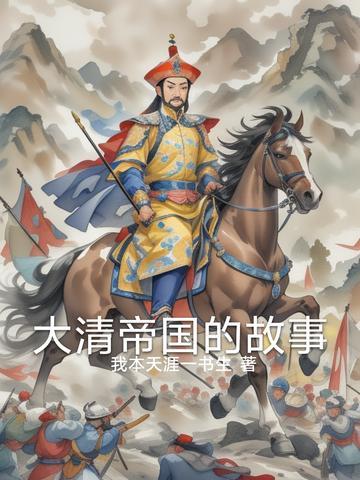
From the bonfires in Hetuala to the sunset in the Forbidden City, from the rise on horseback to the fall of modern times, "The Story of the Qing Empire" panoramically unfolds the 276-year epic of the rise and fall of China's last feudal dynasty. Here are Nurhaci's ambition to unify the Jurchens, Huang Taiji's vision of changing the name of the country and establishing the Qing Dynasty, and the magnificence of the Qing army's entry into the Central Plains. It not only depicts the territorial prosperity and economic prosperity of the Kangxi and Qianlong dynasties, but also witnesses the compilation of the "Sikuquanshu" and the consolidation of a multi-ethnic country. It also confronts the hidden dangers of decline caused by official corruption and isolation.
When the strong ships and cannons of Western industrial civilization crashed into the ancient country, and the artillery fire of the Opium War tore apart the illusion of a prosperous age, the ink stains of treaties, the beacon fire of uprisings, and the struggle for reform were intertwined into the humiliation and resistance of modern China. From the industrial exploration of the Westernization Movement to the institutional attempts of the Reform Movement of 1898, from the turbulence of the Taiping Heavenly Kingdom to the thunder of the Revolution of 1911, the book not only depicts the machinations of emperors and generals, the passion for saving the country, but also records the suffering and perseverance of ordinary people in the tide of the times.
This is not only a history of dynasty changes, but also a picture of multi-ethnic integration, an elegy for a traditional empire under the impact of modernization. It hides the code of the prosperous times and also writes the lessons of decline, allowing readers to understand the roots and direction of China's modern changes over the past century through the ups and downs of dynasties.