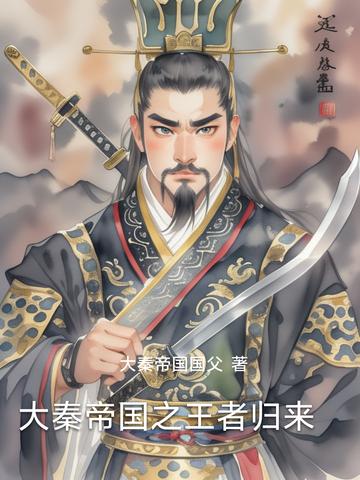
In the Sand Dune Palace in 210 BC, the First Emperor Ying Zheng drank poison and died. He watched helplessly as the Second Emperor of the Qin Dynasty died, the imperial mausoleum was excavated, and the Epang Palace was burned to the ground. Amidst the blood feud and endless regret, he was reborn and returned to 230 years ago - a key point when the six kingdoms were not destroyed, the powerful and traitors were not eradicated, and the troubled times were not at peace.
This time, he is no longer the jealous and suspicious tyrant who was addicted to elixirs in his later years, but the dark emperor who carries the memory of his past life and holds iron-blooded power. He understands the deceitfulness of people's hearts, understands the crux of governing a country, and understands the only rule of survival in troubled times: killing to stop killing, and to subdue the crowd.
Lu Buwei's power and Lao Ai's rebellion were nothing but stepping stones on his way to pro-government; the stubborn resistance of the six kingdoms will eventually be reduced to dust under his thunderous offensive; even Liu Bang and Xiang Yu, who overthrew the Qin Dynasty in their previous lives, were reduced to insignificance in the face of his absolute strength and ruthless methods.
He accepted Yingbu and Peng Yue as his minions and used Shang Yang's method as a sharp edge to rectify the government and reform the corvee. He made the bricks and stones of the Great Wall stained with the blood of loyalists and the water of Lingqu Canal carried the hope of the surrendered. The people gain stability in awe, and the army gathers strength in iron blood. A Qin Empire that is more tyrannical, darker, and more immortal than the previous life is rising from the bloody soil of Lishan Mountain.
This is an emperor's revenge, and it is also a dark creation. When Ying Zheng lost all his warmth and took charge of the world as if he had returned from hell, everyone in the world had no choice but to surrender.