In the first year of Shenlong, the morning frost in Luoyang Palace still reflected the residual light of Wu Zhou, and a silent coup ended quietly.
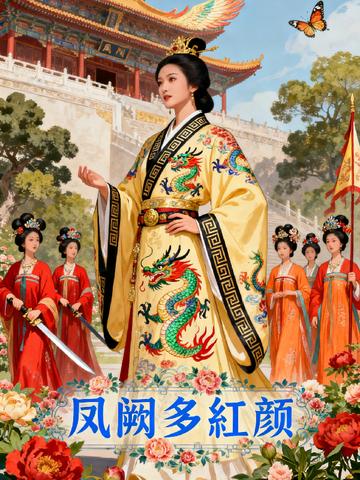
After Wu Zetian abdicated to the throne, the call for the return of male power shook the government and the public, but no one could have imagined that this change that overturned the old master would give rise to the most shocking power structure in history - there was no arbitrary female emperor, only the "Feng Ling Pavilion" co-controlled by top aristocratic women such as Taiping and Shangguan Wan'er.
They are masters of tactics tempered in the deep palace, proud daughters of heaven with noble blood, and pioneers who break free from the shackles of ethics and education. In the court, they use their female wisdom to compete with the heroes; in the palace, they form alliances, break conspiracies, and use their combined strength to support half of the country.
Some people scolded them for being arrogant and turning things upside down, while others feared that they were ruthless and would not tolerate criticism. But they were the only ones who knew that this road was paved with blood and tears: they must not only fight against the shackles of deep-rooted male power, but also balance their desires and suspicions.
When the balance of power begins to tilt, when dissatisfaction develops between former allies, when everyone in the world wants to pull them down - can these women who stand at the top of power hold on to this collective governance foundation that has come against the odds?
A carnival of power for aristocratic women, a legend intertwined with ambition, loyalty and sacrifice, has begun.
This article is purely fictional, please do not make history
Reader comments
It's good to read. I like this kind of power-driven writing about women, rather than a bunch of women surrounding men.
It's good to read. I like this kind of power-driven writing about women, rather than a bunch of women surrounding men.