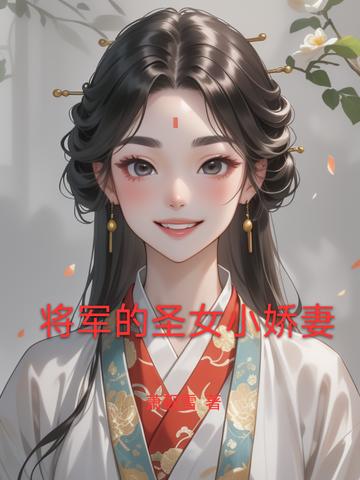
In the middle of the Ning Dynasty, the country's national power was at its peak but hidden worries were gradually arising. The "Kaining Ritual System" established by the founding of the People's Republic of China stabilized the centralization of power. Under the institutional framework of three provinces and six ministries, parallel government troops and imperial troops, and checks and balances between imperial examinations and men's yin, the court was divided into the "Wenhua sect" (from the imperial examination) and the "Xungui sect" (from the yinyin family). The contradiction between the frontier Yongye Mansion and the central Yingyang Mansion began to emerge, and there was also a power play within the royal family. Su Qingwan, a 24-year-old modern financial white-collar worker, accidentally traveled through time and became the holy princess of "South Chu" who was forced to marry the Ning Dynasty. She was given a marriage to Xiao Ce, the Longwu general who had great military exploits but was born from a humble background. He was a "lone minister" who was deeply trusted by the emperor but feared by all the forces in the court.