Stats
5.8Score
Synopsis
No synopsis yet.
We haven’t got an English blurb for this one. It appears once the source description has been translated.
We haven’t got an English blurb for this one. It appears once the source description has been translated.

After ten years of sharpening a sword, the wind and rain have not stopped me. May you ride the wind and waves and live up to your time.
This is the comment that came to my mind in a second🥺🥺🥺
This book is very nice
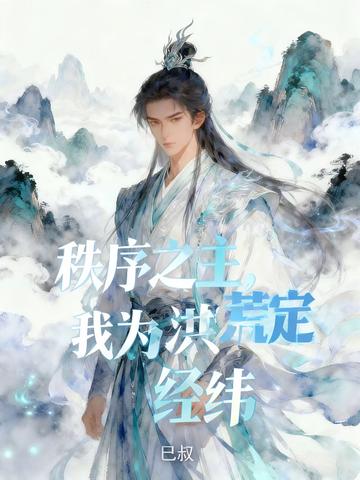
If the author doesn't reply to me, I will perform trapeze magic for you... ━━━━━┒ ┓┏┓┏┓┃ I'm taking off┛┃ ┗┛┗┛ ┃\[Look] / ┓┏┓┏┓┃ ┛┗┛┗┛┃ノ) ┓┏┓┏┓┃ ┛┗┛┗┛┃ If you don't cultivate merit, you don't worship Hongjun: rewriting the ancient epic with "order deconstruction" While most works are still replicating the established framework of "Pangu opened the sky and Hongjun preached" step by step, this book achieves a real breakthrough with its wonderful "order deconstruction". It no longer regards ancient mythology as an unshakable Bible, but uses it as the cornerstone of creation, carrying out a bold and magnificent re-creation. The protagonists in the author's works often escape from the fate of being "chess pieces of heaven", and their action logic subverts the traditional path of "merit to sainthood". Whether it is becoming the mastermind behind the scenes, using the heaven and earth as the chessboard, playing with the eternal chess game; or using modern thinking to deconstruct myths and bring scientific laws into the world of immortality, its core charm lies in the challenge of inherent cognition. The reshaping of classic characters in the book is particularly stunning - Lord Tongtian may not necessarily be tragic, he may take the initiative to jump out of the chess game and become the biggest variable; Empress Nuwa not only creates people to mend the sky, but there may be a deeper plan hidden behind it. This deconstruction makes familiar mythological faces both strange and fascinating, giving the prehistoric narrative new tension and philosophical depth. This is more than just a novel, but also a "thought experiment on the possibility of mythology", showing all creators that the prehistoric era is far broader than you imagine.