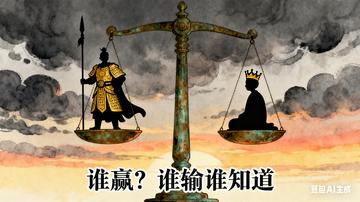
On the chessboard of history, every dynasty and every generation has a "win or lose" chess game. From the wars of the Qin and Han Dynasties to the mist and rain of the Ming and Qing Dynasties, from the temples and pavilions to the rivers and lakes, each unit is an independent slice of time - it may be the struggle between gains and losses of powerful ministers, the choice of knights before morality, the perseverance of commoners in troubled times, or the emperor's trade-off between power and conscience.
There is no absolute winner or loser. If you win the world, you may lose the person next to you. If you lose the power, you may win the eternal fame. This unit drama uses "win or lose" as the key to unlock the codes of human nature in different eras: when the choice is before you, should you seek profit or justice? Is it to be cautious or to follow the trend? Each story raises a speculative question, allowing history to shine into reality.
A master who remembers the past and remembers the future, he does not indulge in a certain past event, but uses countless "win and lose" stories to explore his original intention - time may blur right and wrong, but it cannot wash away the weight of "choice". All endings will eventually settle, and only the scale of the human heart measures the real victory or defeat.