"They held me under a 300-pound copper vat and wanted me to be reduced to ashes..."
This is the ending of my last life, Zhu Gaoxu. But God gave me another chance to go back to the eve of the Battle of Jingnan.
In this life, I will make everyone who wronged me pay the price.
"He can sit on this dragon chair, why can't I, Zhu Gaoxu?" I would ask myself this every time in the dead of night, stroking the cold weapon. On the battlefield, my blade is invincible; in the court, my plans are successful every step of the way. However, when I actually sat in that seat, I discovered...
"I have spent my whole life proving that I am worthy of the Dragon Throne, but in the end I discovered that I just want my father's approval."
From the Jingnan battlefield to the Jinling court, from the Han Palace to the Forbidden City, this is a road full of thorns. Every decision is a matter of life and death, and every step must be taken accurately and ruthlessly.
"The copper vat serves as the coffin, and the charcoal fire serves as the burial. This is me, Zhu Gaoxu, the most violent prince of the Ming Dynasty!"
But this time, I am no longer the tragic King of Han. I want to use war and strategy to write my own legend. I want future generations to remember: The Ming God of War is not just a title, but also the beginning of an era.
Reader comments
After reading many chapters, this novel about the Ming Dynasty is very well written. The author cleverly designed it to allow Zhu Gaoxu to return to the eve of the Battle of Jingnan and start a journey of revenge and dream chasing.
The book depicts Zhu Gaoxu's inner life delicately. He longs for his father's approval, and the complexity of the character is revealed from his persistent pursuit. The descriptions of the battlefield and the court are brilliant. On the battlefield, he is invincible with the light and shadow of his sword. In the court, there are intrigues and plots, vividly showing the changing era.
The plot has ups and downs, from the thorny road to heaven to the determination to rewrite the tragedy, constantly attracting readers' attention. The author uses Zhu Gaoxu's experience to explore the themes of power, recognition and self-worth realization, giving the work a certain depth of thought. However, some plots are a little rushed to promote the development of the story. Overall, this is a historical time travel novel worth reading, which can give readers a different reading experience.
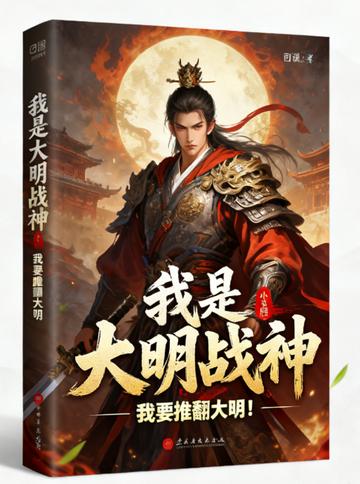
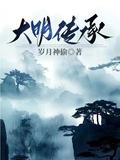
After reading many chapters, this novel about the Ming Dynasty is very well written. The author cleverly designed it to allow Zhu Gaoxu to return to the eve of the Battle of Jingnan and start a journey of revenge and dream chasing. The book depicts Zhu Gaoxu's inner life delicately. He longs for his father's approval, and the complexity of the character is revealed from his persistent pursuit. The descriptions of the battlefield and the court are brilliant. On the battlefield, he is invincible with the light and shadow of his sword. In the court, there are intrigues and plots, vividly showing the changing era. The plot has ups and downs, from the thorny road to heaven to the determination to rewrite the tragedy, constantly attracting readers' attention. The author uses Zhu Gaoxu's experience to explore the themes of power, recognition and self-worth realization, giving the work a certain depth of thought. However, some plots are a little rushed to promote the development of the story. Overall, this is a historical time travel novel worth reading, which can give readers a different reading experience.