I have been blind since I was a child and was bullied in the temple.
Only my junior sister is willing to describe the colors of the world to me.
She said the sky was blue, but what I felt was cold.
She said the maple leaves are red, but when I touch them they are hot.
When he was eighteen years old, the entire temple was massacred by the Demon Cult.
I hid in the Sutra Pavilion, and blood seeped into my eyes along the cracks in the door.
When I opened my eyes again, the world became clear to me for the first time.
And all living creatures carry a dying gray shadow——
Reader comments
This opening chapter uses the ultimate contrast and sense of fate to build a very tense story foundation, which not only buries the core suspense, but also deposits a strong emotional weight.
The core highlight lies in the ingenious interweaving of "sensory dislocation" and "reversal of fate": when blind, one uses "cold" to perceive the blue of the sky, and uses "hot" to touch the red of maple leaves. The kindness of the little junior sister is used to build the blind man's gentle imagination of the world. This purity is in sharp contrast to the bullying in the temple, paving the way for the character's arc; and the demonic cult's massacre The tragic twists and turns of the Sutra Pavilion's blood-soaked eyes crush the tenderness in an instant, and the fantasy setting of "everything you see when you open your eyes has the shadow of death" not only gives the protagonist special abilities, but also casts a sense of sad fate - the belated light is actually bound to the omen of death, the awakening of vision is accompanied by the collapse of the world, and the drama is full of conflicts.
At the same time, there are multiple narrative hooks hidden in the chapters: the life and death of the junior sister, the truth about the massacre by the demon sect, the origin and price of the "Grey Shadow" ability, and the protagonist's mental transformation from being humiliated and blind to opening his eyes to witness the death. Each node is enough to guide the subsequent plot. Emotionally, there is both a tender attachment to the past, the impact of sudden changes, and confusion about one's own special situation, which sets the tone for the story with both fantasy and human depth, and has great potential for subsequent exploration.
Very good. This book is worth reading.


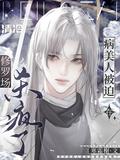


This opening chapter uses the ultimate contrast and sense of fate to build a very tense story foundation, which not only buries the core suspense, but also deposits a strong emotional weight. The core highlight lies in the ingenious interweaving of "sensory dislocation" and "reversal of fate": when blind, one uses "cold" to perceive the blue of the sky, and uses "hot" to touch the red of maple leaves. The kindness of the little junior sister is used to build the blind man's gentle imagination of the world. This purity is in sharp contrast to the bullying in the temple, paving the way for the character's arc; and the demonic cult's massacre The tragic twists and turns of the Sutra Pavilion's blood-soaked eyes crush the tenderness in an instant, and the fantasy setting of "everything you see when you open your eyes has the shadow of death" not only gives the protagonist special abilities, but also casts a sense of sad fate - the belated light is actually bound to the omen of death, the awakening of vision is accompanied by the collapse of the world, and the drama is full of conflicts. At the same time, there are multiple narrative hooks hidden in the chapters: the life and death of the junior sister, the truth about the massacre by the demon sect, the origin and price of the "Grey Shadow" ability, and the protagonist's mental transformation from being humiliated and blind to opening his eyes to witness the death. Each node is enough to guide the subsequent plot. Emotionally, there is both a tender attachment to the past, the impact of sudden changes, and confusion about one's own special situation, which sets the tone for the story with both fantasy and human depth, and has great potential for subsequent exploration. Very good. This book is worth reading.