Liang Ying, a Renowned General at the End of the Jin Dynasty and the Start of the Yuan: A Guardian of a Troubled Age Who Brought Peace Through Benevolence
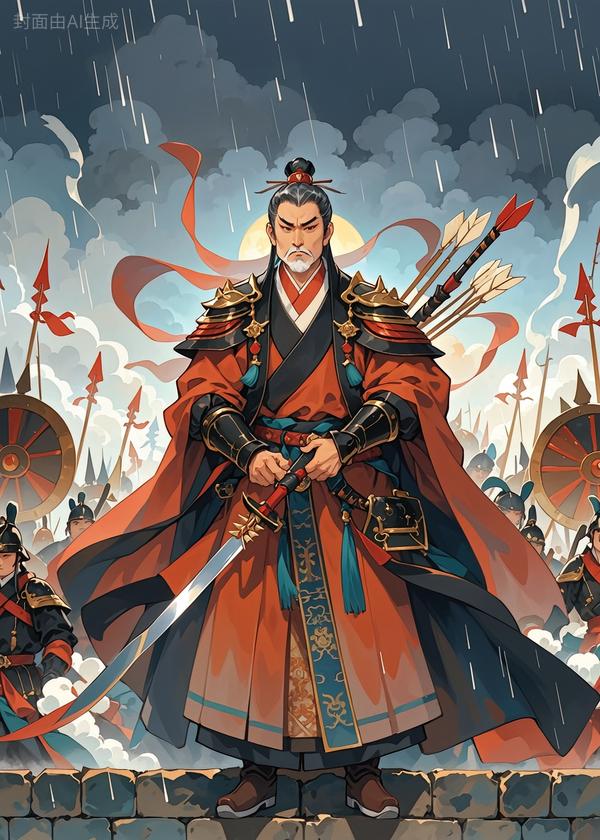
This historical biography follows the life of Liang Ying, a renowned general who lived at the end of the Jin dynasty and the beginning of the Yuan. Across 21 chapters, it centers on his intelligence, courage, and compassionate desire to help the people, tracing his legendary rise from village militia leader to commander of five routes and painting a portrait of patriotic devotion in a time of chaos: “ending war through battle, and bringing peace through benevolence.”
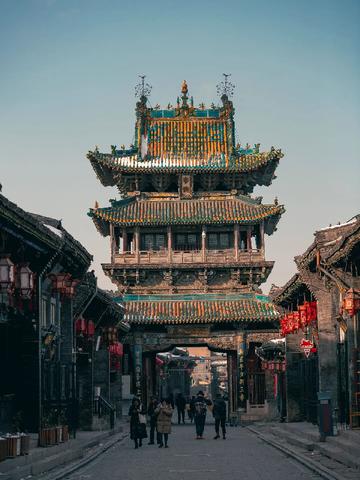
The story begins in Lutai Village, Pingyao, at the end of the Jin dynasty, later known as Liangguan Village. With Mongol cavalry pressing in and corrupt Jin soldiers looting the area, the young Liang Ying forms a village militia to protect his neighbors. Faced with the impossible choice of dying in resistance or enduring humiliation through surrender, he casts aside convention and leads his people to submit to the Mongols, guided by his resolve to “protect the people.” Thus begins his dual path of warfare and pacification. From using the terrain at Gausan to persuade remnants of the Jin army to surrender, to risking his life at the Battle of Sanfeng to prevent a massacre, from moving Khan Ogodei with his loyalty during an audience in the northern desert to restoring military discipline and helping refugees as commander of five routes, and from campaigning in Sichuan to taking control of strategic mountain passes without bloodshed, Liang Ying always holds to his principle of avoiding needless killing. He uses strategy to reduce casualties and compassion to win people’s hearts.
After returning home, he does not simply settle into a life of luxury. He reforms his family’s values, establishes Fengming Academy to pass on learning and moral instruction, repairs Pingyao’s city walls, and builds Jixiang Temple and an ancestral hall to benefit his neighbors. His belief in passing down a legacy of benevolence ensures that his good works endure. In the final chapter, Liang Ying passes away peacefully, but his spirit of intelligence, courage, and devotion to the people lives on in the memories of his descendants and neighbors, becoming a lasting source of inspiration in Pingyao and across the northern lands for generations.
The work as a whole recreates parts of the late Jin and early Yuan era, with fictional elements



Very good and worth seeing.