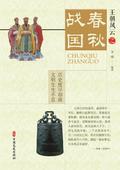
The Garden of Discussions by the Grand Minister is a collection of miscellaneous notes by the Song dynasty writer Wang Junyu, rich in historical insight and human feeling. Though modest in length, it is like a series of interludes set in court and among the literati, reflecting fleeting moments amid the turbulent history of the first three Song reigns, from Zhao Kuangyin to Zhao Guangyi and Zhao Zhen.
The book records many seemingly trivial events that are nonetheless rich in meaning. For example, the author writes that Taizu visited the home of his loyal minister Fan Zhi several times while Fan was bedridden. Afterwards, concerned that the family might be overwhelmed by the demands of official business, the emperor sent a palace attendant to ask whether the vessels needed to receive him had been prepared. The episode reveals an emperor's concern beyond the business of governing, as well as his consideration for other people. In another story, Tao Gu is sent as an envoy to Wuyue and sees its ruler, dining on a dish of snake and frog, remark that “this dynasty is not as good as the last.” The remark is both a barb and a warning, letting readers glimpse the first signs of power in decline. The author's praise of Tian Xi and disdain for Tao Gu, and the contrast between these two very different men, also bring the character of their age to life between the lines.
Reading The Garden of Discussions by the Grand Minister feels like sitting in a corner of a scholar's study in the early Song, listening as an old scholar tells his stories. You can see emperors directing affairs with confidence at court, and hear whispers of laughter and sighs from the inner palace. You can read the loyal remonstrances of famous ministers and glimpse the worldly wisdom and human feelings concealed beneath the exercise of power. Wang Junyu does not aim for grand historical narratives. Instead, with concise, forceful prose, he lets history reveal its human warmth through details at the margins. If you enjoy seeking out details overlooked by the histories and observing the subtle interactions between emperors and scholars, this book is a faint light shining into the still-unsettled, turbulent years of the early Song.