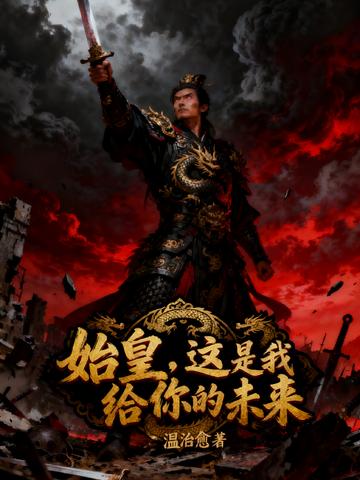
In 210 BC, candlelight flickered in the Sand Dune Palace. As the First Emperor, Ying Zheng, lay dying, his fingertips brushed a bronze scroll that had appeared from nowhere. The words “the future” glimmered coldly across its pages.
The scroll told how the Great Wall failed to stop the Xiongnu’s iron hooves, how the Epang Palace became a wasteland of ashes, and how the Qin dynasty he had devoted himself to building fell in its second generation. His great achievements, from standardizing writing to unifying axle widths, would endure for a thousand years, yet no one would remember the cruelty of his book burnings and the burying of scholars alive. Posterity would call him a “tyrant,” carve the tale of Meng Jiangnu into the history books, and even treat the rivers and seas of mercury in his Lishan mausoleum as evidence of his crimes.
Even more horrifying was the image at the end of the scroll: skyscrapers piercing the clouds, iron boxes racing like horses, and people speaking to one another through little square devices. Yet no one would bow to an “emperor” anymore. The immortality he had pursued all his life would endure in this utterly absurd way.
Ying Zheng clenched the scroll until his knuckles turned white. Should he consign this prophecy to the flames and continue dreaming of a dynasty that would last ten thousand generations? Or should he believe this strange tale and rewrite the future destined to collapse, in the final days of his life? The candle went out in an instant. In the darkness, the emperor’s labored breathing mingled with the faint glow of the scroll, becoming a riddle that would span two thousand years.
An emperor through the ages, worth having