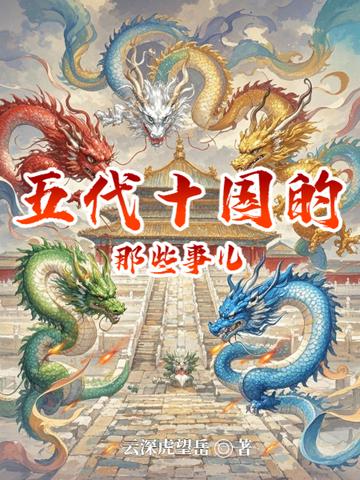
In 875 AD, the Huang Chao Rebellion tore through the fading twilight of the Late Tang, ushering in the chaos of the Five Dynasties and Ten Kingdoms. This work takes the succession of the Five Dynasties in the Central Plains as its backbone and the rise and fall of the Ten Kingdoms as its flesh, bringing together a host of heroes and warlords struggling amid bloodshed. Zhu Wen, born a street thug and later known as Emperor Taizu of Later Liang, rose from rebel general to overthrow the Tang and seize power. Yet a grudge from Shangyuan Post Station sparked a deadly feud with Li Keyong, the one-eyed Prince of Jin. Before his death, Li Keyong entrusted arrows to his son, Li Cunxu, Emperor Zhuangzong of Later Tang. With his courage, Li Cunxu destroyed Liang and founded Tang, only to lose his empire at its height through arrogance and extravagance.
The throne in the Central Plains changed hands every five years. Li Siyuan, Emperor Mingzong of Later Tang, rose from humble origins to become emperor and briefly ushered in good governance. Shi Jingtang, Emperor Gaozu of Later Jin, seized power with the Khitan's aid and ceded the Sixteen Prefectures of Yanyun, earning an enduring reputation as a traitor. Guo Wei, Emperor Taizu of Later Zhou, rose from the ranks of common soldiers and brought a glimmer of hope to the chaos through reform. Chai Rong, Emperor Shizong of Later Zhou, aspired to “conquer the realm in ten years” and campaigned north and south, but died of illness before completing his mission, ultimately allowing Zhao Kuangyin, Emperor Taizu of Song, to reap the rewards of the Chenqiao Mutiny.
The Ten Kingdoms in the south unfolded a different story. Li Bian and his descendants, Li Jing and Li Yu, made Southern Tang famous for its arts. Li Yu's lament, “Tell me, how much sorrow can one bear?” captured the grief of a fallen kingdom. Qian Liu of Wuyue “secured the borders and safeguarded the people,” making the Two Zhe a haven amid the chaos. Liu Yan of Southern Han, who “ruled through eunuchs,” and Meng Chang of Later Shu, with his “seven-jeweled chamber pot,” embodied the absurdities of petty kingdoms.
Based on history books and using novels as the carrier, it is wonderful.