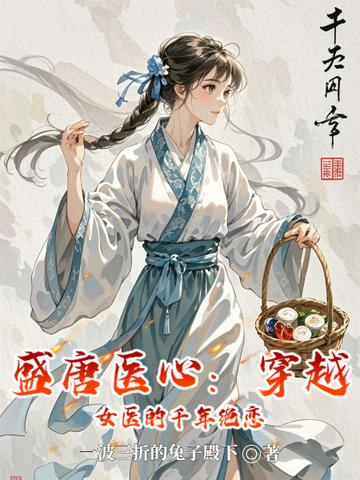
What makes this book so moving is its hard-nosed medicine without any “cheat powers.” The modern medical knowledge of its heroine, Lin Wei (Su Qingyuan), is never a golden finger that conjures antibiotics out of thin air. To treat acute appendicitis, she uses palpation to identify the symptoms and makes an anti-inflammatory remedy with honeysuckle and forsythia. To save a child choking on food, she uses the Heimlich maneuver. To contain cholera in a military camp, she starts with quarantine, then boils drinking water and uses lime to treat contaminated waste. Even her smallpox prevention fits the era: she develops a method of cowpox inoculation by drawing on knowledge from the Western Regions. Every medical scene stands up to scrutiny, combining modern medical logic with the medicines and conditions available in the Tang dynasty. It's both informative and convincingly real.
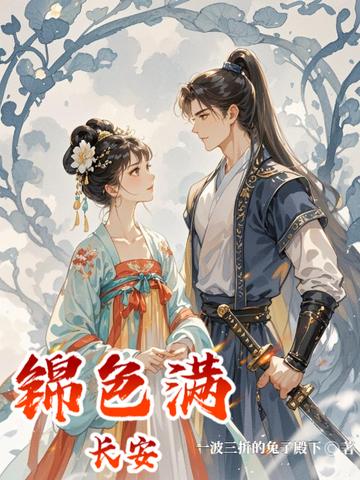
The romance is every bit as compelling, a model of two equals standing together. The general Xiao Jingyuan and the physician Lin Wei are never just a one-sided story of a hero protecting his heroine. When she argues for her medical practice at court and faces hostility, he quietly waits outside the palace gates with a cloak for her. When she collapses from exhaustion while treating a plague in the Western Regions, he sets aside his military duties to wipe her down and give her medicine. When he is framed by political rivals, she uses an alliance treaty with the Western Regions to prove his innocence. There are no melodramatic misunderstandings, only the unspoken understanding of “you save the people, and I'll keep you safe.” When she practices medicine, he takes the blows on the front lines. When he guards the borders, she prepares medicine for his soldiers. Their love, in which each remains independent while supporting the other, is tender and powerful, and makes you yearn for a love like theirs.
Even more remarkable is the vivid, everyday life of the prosperous Tang dynasty depicted in these pages.