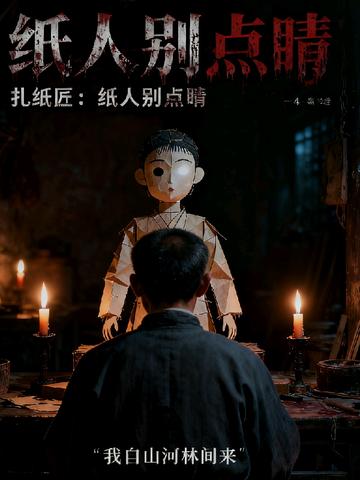
In a dim shop where candlelight flickers, paper effigy makers are solitary wanderers who tread the boundary between yin and yang. Their craft gives bamboo strips and colored paper a soul, providing the dead with companions on their journey to the underworld. But in this ancient trade, rules matter more than skill, and taboos weigh more heavily than life.
Never paint the eyes of a dragon or make a paper horse lift its hooves, for a single stroke might bring an inanimate object to life. Never use willow wood for a frame, lest the dead linger and refuse to leave. Never make offerings for the netherworld by day or leave work unfinished at night: both are acts of reverence for the unseen world. Money earned from the dead must be spent the same day, and the paper figures they create must never resemble the faces of the living too closely.
Every paper effigy is a conversation with the unknown. These taboos, passed down by word of mouth, are not superstition but rules for survival written in blood and hard lessons. They protect not only the paper effigy makers themselves, but also the balance between life and death. When a craftsman accepts this legacy, he is destined to live alongside shadows. He must tread carefully at every step, because breaking a taboo may awaken not only grief, but also horrors and calamities beyond anyone’s control.