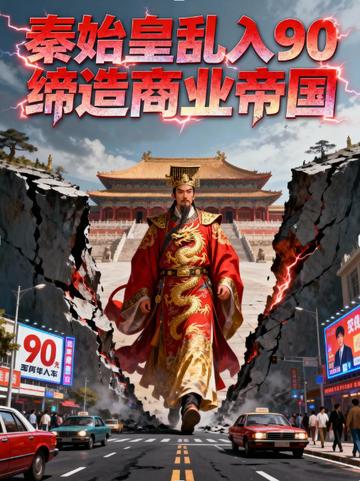
In 210 BC, the First Emperor Ying Zheng died suddenly during his eastern tour. When he opened his eyes again, he was in Panjiayuan, Beijing in 1992. The dragon chairs in the Jinluan Palace were replaced by creaking carts, and the armors of the imperial guards were replaced by white-washed fine coats. The emperor who unified the world was so angry that he grinded his teeth at the fake "Qin bricks and Han tiles" all over the street - when did my relics from the Qin Dynasty become a toy for street vendors to fool people?
Relying on the antique treasure appraisal skills of those who have experienced it for thousands of years, Ying Zheng started by spotting the fake "Jade Seal" of street liars, and exchanged a genuine Qin mirror for the first pot of gold. He doesn't understand market economy, but he understands "making distant friends and attacking close friends" and "focusing on agriculture and restraining commerce (here used as 'emphasis on commerce and rejuvenating the country')"; he doesn't know modern management, but he makes good use of "clear rewards and punishments" and "applying both kindness and power". From renting half a shop in Panjiayuan to monopolizing the northern antique trade; from getting involved in real estate dividends in the 1990s, to seizing the budding opportunities of the Internet; from dealing with the harassment of local snakes, to wrestling with international capital, Ying Zheng has always carried the domineering attitude of an emperor: "What I want has never been a city or a pool, but the 'unification of the world' in this modern business world."