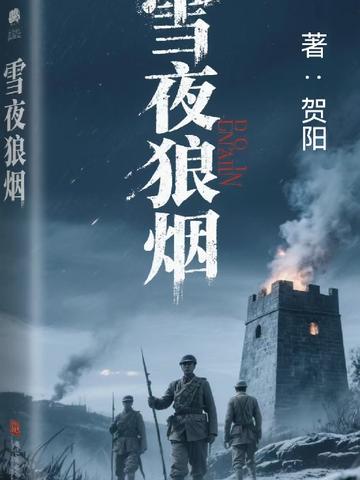
The story takes place in the Northeast region during the Anti-Japanese War, which was the hardest hit area by the Japanese invasion. After the "September 18th Incident" in 1931, the Japanese army quickly occupied the Northeast, burned, killed, looted, and committed all kinds of evil, bringing huge disasters to the local people. Rongxing Village, this originally peaceful and peaceful village, was not spared. The iron hoofs of the Japanese army trampled on this land mercilessly. Villagers' houses were burned down, their food was robbed, and their relatives were brutally killed. In this desperate situation, a group of brave villagers such as Zhao Wenlong and Ma Lijuan were unwilling to succumb to the brutal rule of the Japanese army and resolutely took up arms and launched an arduous struggle.
The unique geographical environment and folk culture of Northeast China add rich colors to the story. The winter here is long and cold, with heavy snowfall
Flying, the ice and snow environment not only brought huge challenges to the anti-Japanese fighters, but also became a natural barrier for them to fight against the Japanese army. Northeastern folk culture, such as shaman sacrifices, winter fishing and hunting, fire kang culture, etc., Are shown in the story. After fighting, the villagers still adhere to these traditional cultures. These cultures are not only part of their lives, but also the spiritual pillar for them to unite and resist foreign enemies. At the same time, the complex political situation in the Northeast has also had a profound impact on the story. In addition to the Japanese invasion, there was also the puppet rule of the puppet Manchukuo and the activities of all anti-Japanese forces. In such an environment, Zhao Wenlong and others not only had to face the brutal encirclement and suppression by the Japanese army, but also had to deal with various complex situations. Their road of resistance was full of hardships and challenges.