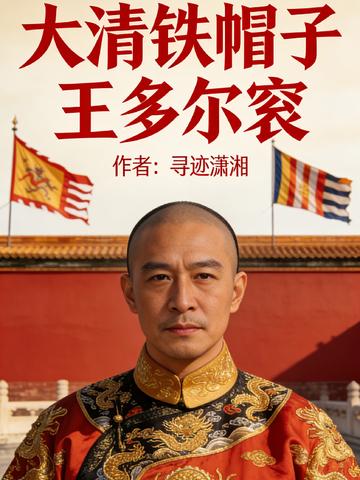
At the time of the Ding Dynasty in 1644, Adai, a young man with a white flag, lost his family and his family was ruined. With his Chinese skills, he entered the Dorgon Palace as a clerk and got a glimpse of the core of power. Here, he met Qinghe, a talented Jiangnan girl who was reduced to an official slave because of her family's rebellion against the order to shave her hair. The two supported each other under the suppression of Manchu customs, but were repeatedly hit hard by the times - Qinghe's relatives died in the massacre, and Adai was forced to conceal the truth about civilian casualties in the battle reports.
In the palace, Dorgon combined the strategy of the God of War with the helplessness of the regent. Fan Wencheng, Obai and others intertwined into a web of power, trapping the two. Adai gradually saw clearly the blood and tears behind "Dingding the World", and the strand of original hair collected by Qinghe became the glimmer of culture that has not been extinguished.
Dorgon died in 1650, and Shunzhi liquidated the old party. Adai fled to the south of the Yangtze River with Qinghe, where he saw the Manchu and Han people farming together, and realized that ordinary people's desire for peace would eventually give birth to new hope in the ruins. The whole book uses Atai's microscopic perspective to connect key histories, depict individual struggles, and also add complex footnotes to Dorgon.