Era background: the end of World War II to the post-war period (from 1945 onwards)
· Core theme: On the ruins of war, how does an individual transcend Fumio Yamada (the protagonist)
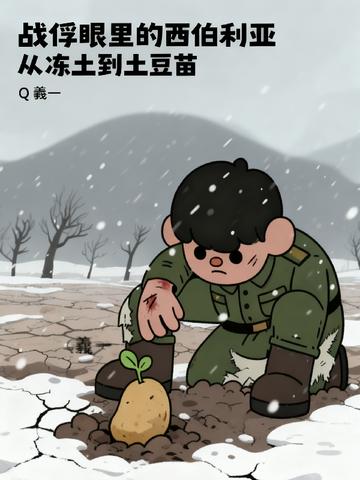
· Before the war: Professor of Agriculture at Tokyo Imperial University, gentle and knowledgeable, who believed in saving the country through science and technology, was forced to join the army.
· In the early days of being captured: He was filled with fear, shame and longing for his family, his body was weak and his spirit was on the verge of collapse.
· After transformation: Regaining professionalism in work, recovering from despair, and becoming the spiritual support of prisoners of war. He used agricultural knowledge to improve the living conditions of everyone, and also healed his own wounds in the process.
· Ivan Petrov (key supporting role)
· Soviet warden of a prisoner of war camp and former university history teacher. He looks cold on the outside, but deep inside he reflects on the war.
· His late-night exchanges about literature and history with Yamada are a symbol of the "hidden humanity" in the story. His tacit approval and even covert support of Yamada's potato growing experiment represents an understanding that transcends positions.
· Takeshi Kobayashi (Opposite)
· Young soldiers who are deeply influenced by militarism are stubborn and fanatical. He believed that growing potatoes was a shame and had many conflicts with Yamada.
· His character shows the distortion of human nature caused by war, and his final transformation or tragic ending will profoundly reveal the reflective theme of the story.
· Zhang Mingyuan (international perspective)
· Captured Chinese Kwantung Army soldiers (formerly peasants from Northeast China). His relationship with Yamada went from initial hatred and wariness to a deep friendship during labor, showing the simplest and most precious emotional connection in war.
Good, good, good