Setting: From the final days of World War II through the postwar period, beginning in 1945
• Core theme: How can individuals rise above hatred amid the ruins of war?
Yamada Fumio, the protagonist
• Before the war: A professor of agriculture at Tokyo Imperial University, gentle and learned, he believes technology can save his country, but is forced to enlist.
• Early days as a prisoner: Overwhelmed by fear and shame and longing for his family, his body is frail and his mind on the verge of collapse.
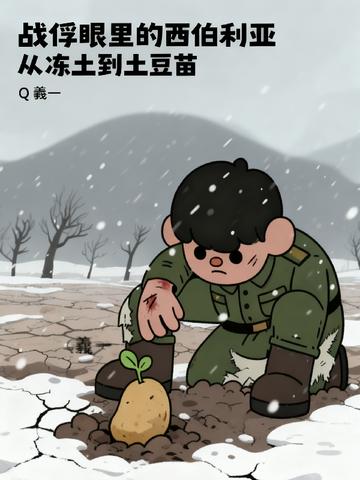
• After his transformation: He rediscovers his expertise through hard labor and recovers from despair, becoming a pillar of strength for his fellow prisoners. His agricultural knowledge improves everyone's living conditions, and in the process, he heals his own trauma.
Ivan Petrov, a key supporting character
• The Soviet commandant of the prisoner-of-war camp and a former university history professor. He appears cold, but harbors deep misgivings about the war.
• His late-night conversations with Yamada about literature and history symbolize the story's hidden humanity. He turns a blind eye to, and even secretly supports, Yamada's potato-growing experiment, embodying understanding that transcends political allegiances.
Kobayashi Takeshi, an antagonist
• A young soldier deeply influenced by militarism, stubborn and fanatical. He considers growing potatoes disgraceful and repeatedly clashes with Yamada.
• His role reveals how war distorts human nature, while his eventual transformation or tragic ending will bring the story's themes of reflection into sharp focus.
Zhang Mingyuan, representing an international perspective
• A captured Chinese soldier from the Kwantung Army, originally a farmer from Northeast China. His relationship with Yamada develops from initial hatred and wariness into a deep friendship forged through hard labor, showing the most humble yet precious bonds that can form amid war.
Good, good, good