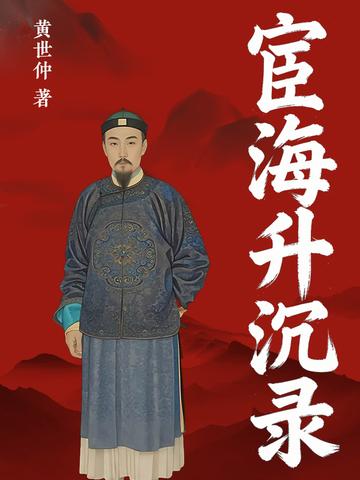
The Record of Rise and Fall in the Officialdom is a historical novel by Huang Shizhong, a novelist of the late Qing dynasty.
The story begins with Yuan Shikai using his father's connections to gain an introduction in the capital and then attaching himself to Li Hongzhang. It carefully portrays his role and choices in a series of major historical events, including his regency in Korea, the training of the Beiyang Army, the Hundred Days' Reform, and the Boxer Rebellion.
Through Yuan Shikai's dealings and power struggles with influential court officials such as Li Hongzhang, Zhang Peilun, Ronglu, Prince Duan, and Gangyi, the novel lays bare the political scheming, factional infighting, and corruption of the late Qing bureaucracy.
The novel not only depicts Yuan Shikai as shrewd, adaptable, and adept at cultivating influence, but also introduces various officials, including Zhang Peilun, Kang Youwei, and Xu Tong, presenting the fierce conflict between reform and conservatism.
Using the past to comment on the present, the author opens with the allusion “When the rabbit dies, the hound is cooked,” foreshadowing the fate of meritorious officials amid political upheaval and reflecting the turmoil and transformation of late Qing society, beset by crises at home and abroad.
Grounded in historical events yet blended with artistic invention, The Record of Rise and Fall in the Officialdom is vivid in language and full of twists and turns. It is both a documentary account of late Qing officialdom with historical value and a compelling historical novel, offering readers a rich perspective on the political landscape of the era and Yuan Shikai's early rise to power.