The core theme of the story
Fate and resistance: Using a plum blossom-shaped birthmark/jade pendant as a clue to explore the individual's struggles and choices in the tide of the times and the fate of the family.
Love and redemption: Through the love, hatred and resentment of several generations, it shows the ultimate beauty and cruelty of love, and ultimately points to forgiveness and self-salvation.
Classical and poetic aesthetics: closely combine Chinese classical poetry and opera (especially "The Peony Pavilion") with the fate of the characters to create a beautiful and sad artistic conception.
Reader comments
The ultimate achievement of "The Mark of Plum Blossoms" is that it successfully refined a story full of drama and even "bloody" potential (elopement, misunderstanding, intergenerational grudges, parting in war) into a serious work with the power of classical tragedy and poetic aesthetics.
It allows us to see that the best Chinese romance has never strayed away from the pathos of "The past is gone, and the willows are still there" in "The Book of Songs", nor has it abandoned the essence of the "love is here" philosophy in "The Peony Pavilion". In this era where emotional expressions are becoming increasingly crude and shallow, "Plum Blossom Mark" is like a distant guqin, reminding us:
Some marks are not on the skin, but on the soul bones; some flowers bloom not for fruit, but to prove that even in the coldest season, life can and must still bloom with all its dignity and beauty.
This may be the true meaning of Lin Momei's last sentence "Dreams create heroes": It is not the magnificent epic that creates us, but the stubborn belief in love and beauty that every ordinary person has in their own destiny script, making them their own heroes. And literature is the monument erected for these unknown heroes.
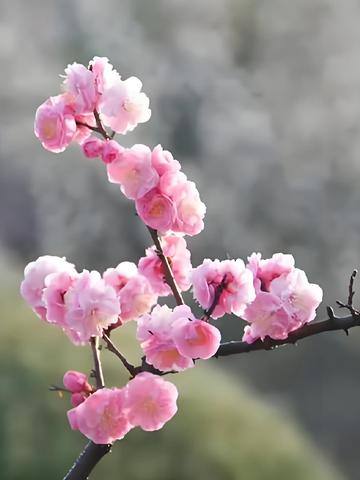
The ultimate achievement of "The Mark of Plum Blossoms" is that it successfully refined a story full of drama and even "bloody" potential (elopement, misunderstanding, intergenerational grudges, parting in war) into a serious work with the power of classical tragedy and poetic aesthetics. It allows us to see that the best Chinese romance has never strayed away from the pathos of "The past is gone, and the willows are still there" in "The Book of Songs", nor has it abandoned the essence of the "love is here" philosophy in "The Peony Pavilion". In this era where emotional expressions are becoming increasingly crude and shallow, "Plum Blossom Mark" is like a distant guqin, reminding us: Some marks are not on the skin, but on the soul bones; some flowers bloom not for fruit, but to prove that even in the coldest season, life can and must still bloom with all its dignity and beauty. This may be the true meaning of Lin Momei's last sentence "Dreams create heroes": It is not the magnificent epic that creates us, but the stubborn belief in love and beauty that every ordinary person has in their own destiny script, making them their own heroes. And literature is the monument erected for these unknown heroes.