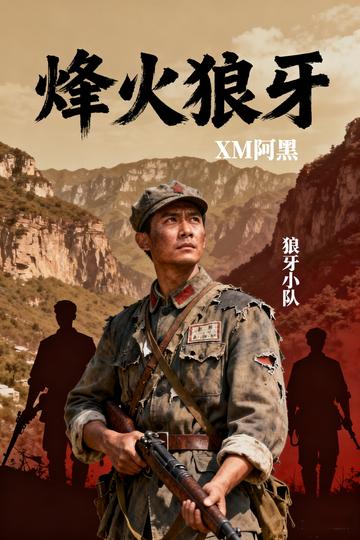
When the Battle of Songhu came to an end in 1937, Chen Feng, a graduate of the Central Military Academy, returned to his hometown at the foot of the occupied Taihang Mountains with his broken military rank and the last wishes of his comrades. The squadron led by Japanese squadron leader Kenichi Matsui was using the "iron wall encirclement" tactic to clear out the enemy's rear. The atrocities of burning, killing and looting ignited the anger in Chen Feng's heart. Relying on the modern military theory in his mind that transcended the times, he gathered the defeated troops, united the Orions and patriotic students, and formed the "Spike Team".
Equipped only with old rifles and home-made landmines, this team repeatedly performed miracles in a desperate situation where the enemy was outnumbered: it used "sparrow warfare" to harass the Japanese transport team, used "heart-breaking tactics" to destroy the machine gun squadron position, and even set a trap during the crisis of traitors' reports, instigating the puppet squadron leader to obtain key intelligence. When Matsui mobilized the main force of the regiment to launch a retaliatory "mopping up", Chen Feng broke the team into pieces and relied on the complex terrain of the Taihang Mountains to deal with the Japanese army. Finally, with the cooperation of friendly forces, he destroyed the important Japanese arms transfer station at the cost of more than half of the casualties, gaining precious breathing space for the base area.
From surprise attacks at the tactical level to containment at the strategic level, from simple revenge to resistance shouldering national justice, Chen Feng and the Langya team grew up in the flames of war, using their blood and wisdom to compose an iron-blooded tragic song of resistance behind enemy lines.