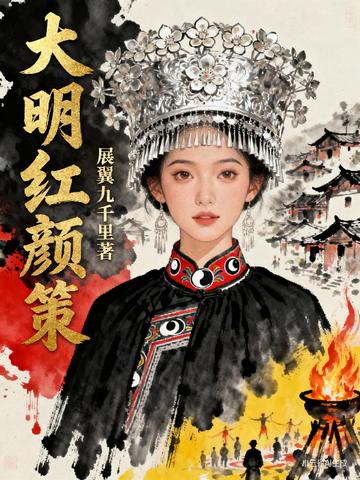
In the seventeenth year of Hongwu, Lady Shexiang, twenty-three years old, removes her bloodstained clothes and shows Zhu Yuanzhang the whip marks across her back. They are the humiliation inflicted on her by Ma Ye, the military commissioner of Guizhou. The ten lashes have torn more than skin: they have torn at the trust between the Ming and the Yi people.
“I ask for no reward, Your Majesty,” she says, her voice clear. “I only ask that you allow Shuixi to build its own post roads, so that the Yi people’s medicines can leave the mountains and Han Chinese salt and cloth can come in.”
Three months earlier, her husband had just died when Ma Ye held a banquet and provoked a confrontation. When the lashes fell, her people erupted in fury. But she lifted her young son and swore, “I will make the emperor see with his own eyes how his officials are setting the southwest ablaze.”
She travels a thousand li, and three of her guards die along the way. At the palace gates, she spends three days being turned away. On the morning of the fourth day, she kneels on the imperial road and cries out, “If I cannot see him, I will spill my blood right here!”
In a side hall, her scars move the emperor. She calmly tells him, “The humiliation itself is a small matter. The loss of the southwest people’s trust is the real danger.”
Ma Ye is eventually punished, and she returns with an imperial decree to build the roads. Years later, the “Nine Post Stations of Longchang” run through the mountains of Guizhou. She is laid to rest beside the road, keeping watch over the passing caravans. The ten lashes did not spark a rebellion. Instead, they brought a century of open roads.
One woman’s endurance can surpass an army of thousands; one post road can unite the hearts of the Yi and Han peoples.