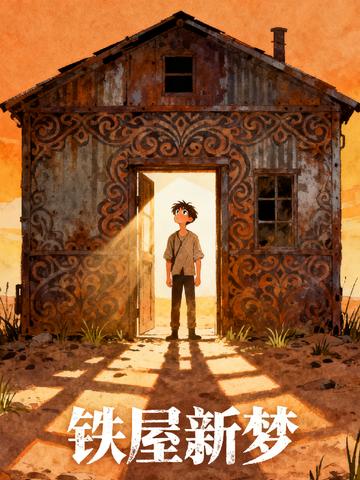
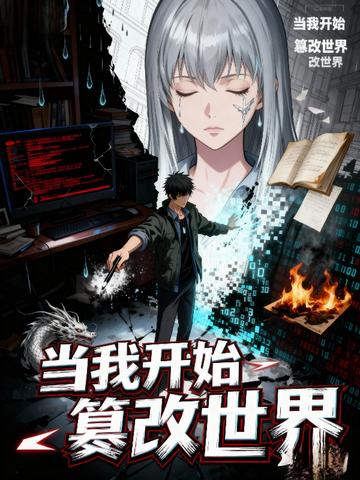
"Imagine an iron house without windows, impossible to destroy, full of people fast asleep who will soon suffocate to death. But they will pass from sleep into death without feeling the sorrow of dying. Now, if you shout and wake a few who are more clearheaded, you make that unhappy minority suffer the agony of their doomed final moments. Do you think you are doing right by them?" Yet the iron house of today is no longer what it once was. Barcode scanners have become new incantations, and barcodes have turned into new shackles. Descendants of Runtu sort packages on logistics lines, while heirs to Xianglin's Wife hawk their ancestors' suffering in livestreams. In Hua Laoshun's clinic, stem cells have replaced human blood; in Wei Lianshu's metaverse, data piles up into an island. Kong Yiji studies the art of making "fennel-bean lattes," while the declarations of independence by women like Zijun sink into the icy sea of mortgages and consumer loans. This is China's Call to Arms and Wandering in the twenty-first century. With his pen as a wedge, writer Yan Xie seeks to pry open a crack in the iron house of the times. He looks coldly at a world recoded by data, traffic, and capital, and beneath the clamor of technology and material abundance, keenly detects those "old souls" that have lingered for a century: ancient questions of survival with dignity, forgotten memories, and individuals swept along by the masses, now repeating themselves in digital clothing. Steel forests rise on the site of old Weizhuang; new "blessings" travel by radio waves beneath the sky over Luzhen. Yet there are always those who refuse to remain asleep: a sorting-line worker who finds Wandering in a data stream, a streamer who tears off the mask before the camera, a doctor who would rather destroy a laboratory than sell a "new drug"... They are the "clearheaded ones" of this age, seeking to kindle a spark called "conscience" in a wasteland where no one knows what to do.