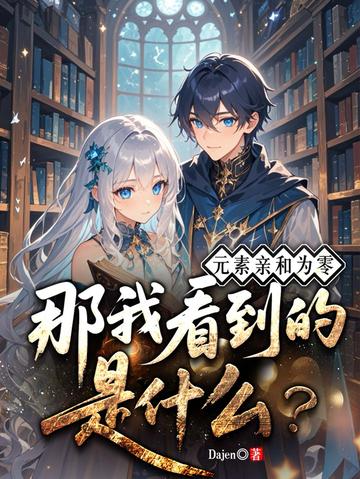
Zero Affinity for the Elements? Then What Am I Seeing?
元素亲和为零?那我看到的是什么
- Status
- Ongoing
- Length
- 619k Words
- Genre
- Eastern Fantasy
- Subgenre
- European Fantasy
- Updated
- 9mo ago
- Source
- Fanqie
Synopsis
184Chapters
25Reads
5.8Score
1Listens
83.6kReads · all time
In booklists 1
Reader comments 47
Translated by Google Translate
It's okay. I can give it about 7-8 points. The narrative is a bit streamlined and the characterization is normal. It's the traditional royal academy aristocratic ridicule. Personally, I feel a bit suspicious of AI involvement. I will give an extra star to the new book as a rule.
In Chapter 13, after the protagonist discovered that something was wrong, he said that he would discuss and report but did not go. The delay lasted day after day. After seeking death and attracting the retired old dwarf, the old man took three rookies to the front line to investigate. He said that the protagonist was more important than the entire town but took him to the most dangerous place. Stick to 22, the general direction is okay, but some details always feel a bit mindless. I want to describe the big scenes but I don't have enough pen power, so I can only forcefully give value. There is still a lot of room for improvement.
This is the charm of Chinese style. The aboriginal protagonist in a western fantasy world also has to be named Mo Chen, a Chinese name👍
In terms of narrative structure, the novel adopts a layer-by-layer suspense design. The story starts from the local conflict in the academy trial and gradually involves multiple clues such as abyss erosion, high-level games in the empire, and hidden dangers within the academy. These clues do not exist in isolation, but are intertwined with each other, jointly promoting the development of the main plot to a grander pattern, and demonstrating the author's ability to control narrative planning. The creation of supporting characters in the work also avoids a tendency to be instrumental. Whether it is Ren's perseverance, Elvira's calmness, or the mystery of Lilith in the Temple of the Moon, the main characters all have independent motivations and growth trajectories. Their interactions with the protagonist form a solid emotional core, making teamwork and emotional bonds an important force in advancing the story and impressing readers. It is worth noting that while pursuing plot tension, the novel also tries to incorporate deeper thinking. Through the unique perspective brought by the protagonist "Eye of Rules", the work touches on the discussion of the established order, the nature of power and personal value. The choices the protagonist faces as he grows up, as well as the coveting and competition between different forces for his abilities, lead to propositions about the relationship between knowledge, power and responsibility, adding to the thickness of the work.
The writing is good but the writing style is a bit juvenile, or to put it bluntly, the audience of this book is teenagers aged 8 to 15 years old. Yes, I would highly recommend this book as a book for minors. Whether it is the healthiness of the content or the complexity of the story, it is a book just suitable for young children to read. It is beneficial and harmless. Note that I don't mean that this book is a beginner's text, which is completely nutritious, but this book is still somewhat useful as a three-view enlightenment for children. Therefore, for most readers of Tomato who have passed this period, whether this book is good or not is a matter of opinion.
It's okay, there are traces of AI modifications, and the plot is not sluggish, but unnecessary modifications can be omitted (for example, I have never used the word "forge ahead" except for exam compositions). But the setting is a bit interesting, and the academic atmosphere in the words is very strong. It can be seen that Pigfoot is a very academic master. (I was stunned when I saw the elemental vision. It turns out you were too)
The logic of the story is relatively compact, the setting of the novel is relatively novel, and it is rare to see the protagonist being a native of another world. Come on
Saw Chapter 30 The plot doesn't drag on, and the main and supporting characters have brains. The writing style and the atmosphere and scenes described are very similar to novels written around 2015, or between 2010 and 2015 (commentary)
Everything else is good, except that the author likes to use exclamation points. If you try to make up for the tone, it will easily make you tired and make you feel confused. All in all, it's good.
Narration is fine, but can the author break a paragraph into several paragraphs? If a paragraph is too long, it will affect reading.