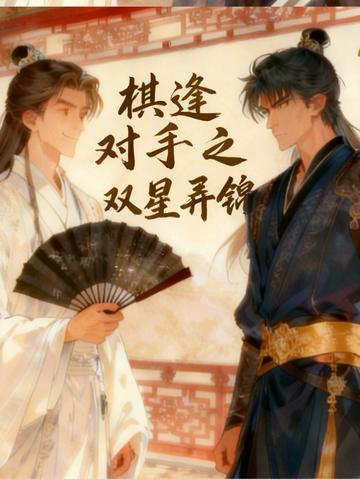
· Qi Tianlei: The third son of Qi Mansion, he looks suave and free-spirited, but in fact he is thoughtful and a business wizard. To escape family shackles or an unwanted marriage, choose "disguise".
· Yuan Buqu: A young general with a cold and resolute appearance and decisive actions. Due to some agreement or task, he had to accept a "troublesome" marriage.
Reader comments
When you meet your opponent in chess, heartbeat is the only way to break the game - Comment on "When you meet your opponent in chess: Double Star Nong happy"
The so-called "meeting an opponent in chess" is never a tit-for-tat contest, but the prelude to soul resonance. "Meeting an Opponent in Chess: Double Star Nongxi" writes this subtle tension deeply.
The two male protagonists in the story are like two evenly matched stars on a chessboard, each with their own strengths but never giving in to each other. They may have confronted each other in terms of stance, and competed in strategies. Every confrontation was with the sharpness of "no concessions", but it was this well-matched collision that gave the heartbeat the most vivid footnote. There is neither deliberate accommodation nor humility from either side. They see each other's tenacity and sincerity in the competition, and understand the tenderness hidden under the edge in the trial. The so-called "Double Star Joy" is exactly the romantic transformation of two independent souls from "playing chess" to "being on the same frequency".
Different from the cliché sweet pet narrative, the most touching thing about this book is that it writes "evenly matched" into the bones and blood of feelings. Love is no longer the attachment of the weak, but the mutual achievement of the strong - you have your light, and I have my brilliance. When two stars stand side by side, they light up each other's journey. After closing the book, I can still think of the flashing eyes when they were fighting, and the tacit understanding of "matching each other" is far more heart-pounding than a straightforward confession. It turns out that the best love is that you are good and I am not bad, and we are together, just right.
When you meet your opponent in chess, heartbeat is the only way to break the game - Comment on "When you meet your opponent in chess: Double Star Nong happy" The so-called "meeting an opponent in chess" is never a tit-for-tat contest, but the prelude to soul resonance. "Meeting an Opponent in Chess: Double Star Nongxi" writes this subtle tension deeply. The two male protagonists in the story are like two evenly matched stars on a chessboard, each with their own strengths but never giving in to each other. They may have confronted each other in terms of stance, and competed in strategies. Every confrontation was with the sharpness of "no concessions", but it was this well-matched collision that gave the heartbeat the most vivid footnote. There is neither deliberate accommodation nor humility from either side. They see each other's tenacity and sincerity in the competition, and understand the tenderness hidden under the edge in the trial. The so-called "Double Star Joy" is exactly the romantic transformation of two independent souls from "playing chess" to "being on the same frequency". Different from the cliché sweet pet narrative, the most touching thing about this book is that it writes "evenly matched" into the bones and blood of feelings. Love is no longer the attachment of the weak, but the mutual achievement of the strong - you have your light, and I have my brilliance. When two stars stand side by side, they light up each other's journey. After closing the book, I can still think of the flashing eyes when they were fighting, and the tacit understanding of "matching each other" is far more heart-pounding than a straightforward confession. It turns out that the best love is that you are good and I am not bad, and we are together, just right.