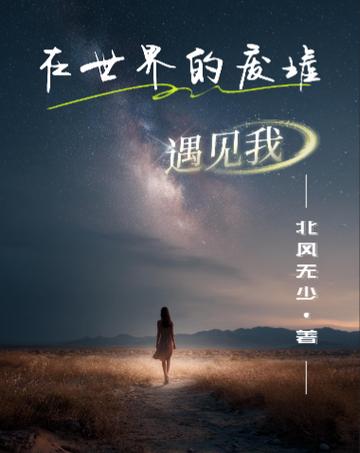
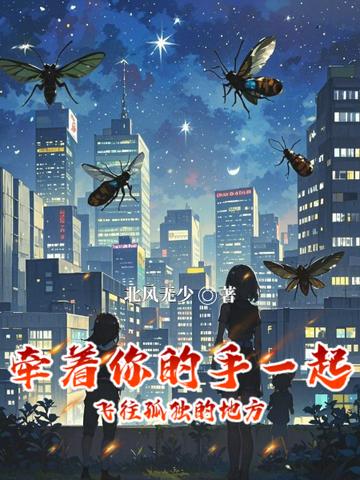
[Slow Burn] My name is Sun Nuo, and I'm a member of the “Counter-Strategy Investigation Team.” After the Great Disappearance, my husband and children vanished beyond the blue light, leaving me alone amid the ruins of civilization.
Day after day, I analyze the dangerous strategies left behind by the old world, trying to fill the emptiness inside me with the ruins of reason. Then a paper titled “On Refracted Bodies of Fate” appears before me. It poses an almost cruel question: “Would you be willing to give up everything you have now and return to the crossroads where the choice that changed your life was made?”
It is then that I meet her: Shen Qian.
She has a face identical to mine, yet carries the lightness and freedom I lost long ago. We understand each other as if we were twins, and together we search for the truth behind the paper. But the deeper the investigation goes, the more I notice a frightening synchronicity: she knows all my habits, hums the lullabies I used to sing to put my children to sleep, and even has a birthmark like my daughter's.
At last, the truth arrives with a clap of thunder. Shen Qian isn't another person. She's me: the “me” who “didn't choose marriage and didn't become a mother” at the crossroads of fate. Immense regret and the disturbance caused by the Great Disappearance together forged this living paradox.
Now I face the paper's ultimate choice: should I erase all my pain and return to the beginning? That would mean losing my most cherished memories of being a mother as well.
This is a story about love and obsession, loss and wholeness. When you meet, at the end of the apocalypse, a version of yourself who might be happier, what would you choose? Embrace the scarred truth, or walk toward a flawless nothingness?
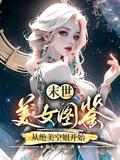



When the female character faces the apocalypse, she seems to have a different intuition and a different character that stands proudly.
Although it is a doomsday novel, this one is more like a prose poem and it is so beautifully written.
Within the framework of a doomsday novel. He wrote the most perfect human nature. This is less like a traditional novel and more like a perfect prose poem.